


Over 10 million people per year are abused, or at least, that’s all the reported cases we know about. We- as humans- can understand what is and is not healthy in a relationship, so why do some keep quiet about it? I personally questioned this for years, until I found the grim truth.
Why Stay?
The truth is, many people simply can’t. You may have expected a more long, complex answer, but that’s how it is simply put. Of course, these reasons for not being able to leave vary widely, from monetary abuse to the abused person’s social status. However, no truth can be made without a counterargument being made against it, and in this case, the counterargument is wide misconception. While some make the error of believing the abused choose to stay, due to consequences or threats created by the abuser, they simply cannot leave due to the fear of what will come afterwards.
On a further note, is should go without saying that abuse is never just one form, most situations have roots in multiple configurations of manipulation. The purpose of this blog is to educate those wanting to know, as well as help any who may find themselves stuck in one or more of these scenarios. If you are one of the latter, when you’re ready, I urge you to call the National Domestic Violence Hotline (800-799-7233).
Monetary Abuse
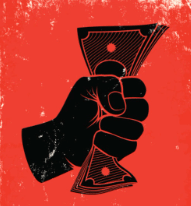
One of the most common form of manipulation that abusers use is monetary abuse, and is often seen in domestic situations. Monetary abuse- simply put- is a method of the abuser gaining the upper hand by keeping the abused in a “money checkmate”. For example, if the abused leaves, he/she will not be able to provide for themselves, or afford their current lifestyle. While some may counter this example by saying that they can simply find a job, it’s not as simple as that; furthermore, when dealing with abusive situations, you must always keep in mind that the abuser is almost constantly keeping an eye on their victim. Such as an anonymous story from the Broxtowe Women’s Project (see link for the full story)- to summarize- over the course of three years, the victim’s husband had spent all their money on gambling while claiming to be making investments. Simultaneously, he began to control where she went, who she went with, and even became emotionally and verbally abusive. By the time she realized what was happening, he had already left, leaving her evicted and in debt. This story truly shows how quickly abuse can progress, and how monetary abuse can happen with very little warning signs. Abuse cases like this happen around the world, and therefore cement that abused persons simply cannot leave abusive situations easily.
Fear of the Unknown

Fear is another method abusers commonly use. This fear can have many different manifestations, like fear of the unknown, fear of violence, fear of social ruin, and more. Essentially, fear is the glue abusers use to hold their web of manipulation and abuse together, and what dictates an abused person’s choices with an iron fist. This iron fist- sadly- leads to most cases go unrecorded, as studies from the Safe Haven Shelter have shown, in Minnesota, “An estimated 80% of domestic assaults go unreported.” Delving deeper, unreported cases almost never resolve themselves, and often worsen the longer they go on. This puts the victim in an extremely awkward position, on one hand they can stay in the abusive relationship, while on the other hand attempting to leave could possibly make the situation worse.
Social Jeopardy
Other than the more obvious reasons people stay, social issues also have the potential to play a role. This is especially true in circumstances in which the victim and the abuser share a similar friend group, or are located in a smaller town. Oftentimes, the victim’s thought process aligns with the question, “What will ___ think if they find out?” or even going as far as blaming themselves, “It’s my fault to begin with.” These ideas, however, are extremely unhealthy, and prioritize the victim’s social perception over their own well-being.

Another social aspect in abuse is culture, and the normalization of abuse in culture. Abuse of this kind often stems from the idea that abuse is a practice “rooted” into a culture, and therefore should be normalized; however, this is a common misperception of cycles of abuse (which will be covered more in depth later). Simply put, the cycle of abuse is the phenomenon of which abuse becomes generational (for example: A father abuses his wife in front of his child, that child will grow up normalizing that behavior, and repeat the process). Even if it were to be embedded into a culture, the abuser has no right to impose that idea onto the victim if they do not agree; therefore, culture cannot be used as an excuse for abuse.
Conclusion
Despite misconception, victims of abuse cannot easily leave an abusive relationship at the drop of a dime. This is directly caused by multiple forms of manipulation and abuse imposed by the abuser, such as previously mentioned social influence, fear, and monetary abuse. Finally, reinstalling what I previously mentioned in this blog, if you or someone you know is going through abuse, reach out to someone or some organization who will help.
 The Golden Thread
Leave a comment