
A theory, as defined by Oxford, is “a formal set of ideas that is intended to explain why something happens or exists.” Today, when people hear the word “theory”, their minds most likely go to conspiracy theories or intricate academic theories. But the reality is that theories are much more than just an idea formulated to explain something. Whether it is a theory from the 60’s attempting to explain how Hollywood faked the moon landing or Einstein’s theory of relativity, the psychology behind why we create theories involves a complicated need to justify and understand our thoughts.
What Is a Theory?
While we’ve already established the formal definition of a theory, it’s important to know the true meaning of what exactly a theory is, so that we can then understand the psychology behind why we as humans create them.
Think of a theory as more than just a bunch of ideas tossed together. Theories can serve as a guide that help us make sense things around us. They can help us connect the dots and give us a way to explain why stuff happens the way it does and creating a simpler understanding that makes the world a little bit less confusing.
Now that you may have a better idea of what a theory is, it’s still important to understand why we’re so driven to create theories. Again, theories are much more than just conspiracies and academics. Theories have been around for a while, and it helps to look back at some of the earliest thinkers who tackled the psychology behind them.
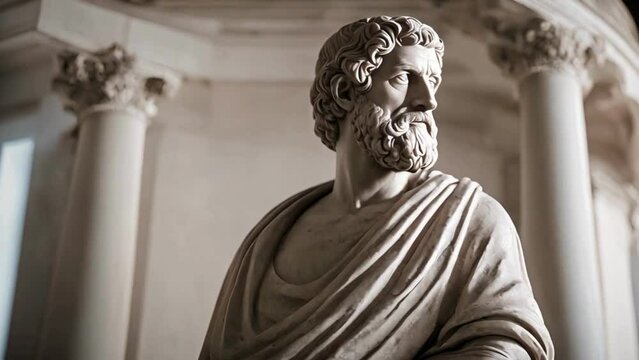
Specifically, one of the most influential was Aristotle, a greek philospher who didn’t just dabble in one field. Aristotle is world reknowned for his work that spanned ethics, logic, and the natural world but most importantly was all about finding balance and understanding the nature of things.
Nicomachean Ethics
While researching the psychology behind theories, one of the things I struggled the most was pinpointing the exact figure or time when theories were first introduced. Contrary to my belief, a simple search didn’t give me an exact date. However as I dug deeper into the history behind previous researchers, I came across an article about Aristotle and his works related to my topic. Having found a familiar name, I decided to look more into his ideas and findings and in doing so I was led to his book, Nicomachean Ethics.
In his book, Aristotle explores the nature behind the reasons why we make decisions and our ethics. He argues about virtues and how they lie at a middle ground between extremes and that courage is not about being too bold or too afraid but instead finding a balance between the two. While you might be wondering how theories relate to this, I too am I still looking more into his work and making sense of it, but it is important to realize that theories serve as a tool to us for making sense of the world we live and finding a balance.
From what I have managed to understand from his book, Aristotle introduces the idea of practical wisdom which is about making decisions based on our experiences. Basically this is what helps us to see why we create theories as they are our attempt to find balance in our sometimes confusing lives. By looking at his ideas we can see that our need to theorize is a natural part of how we try to make sense of the world as though we are born with the human need for explanation.
The Human Need for Explanation
Overall, while making sense of theories may be difficult, it’s important that we understand them so that we can recognize the innate human behavior behind their creation. Looking deeper into the creation of theories is only scratching the surface of why we theorize, but it opens the door to learning more about the human drive to seek explanations and have a form of control over our understanding of the world.


 The Golden Thread
Leave a comment