
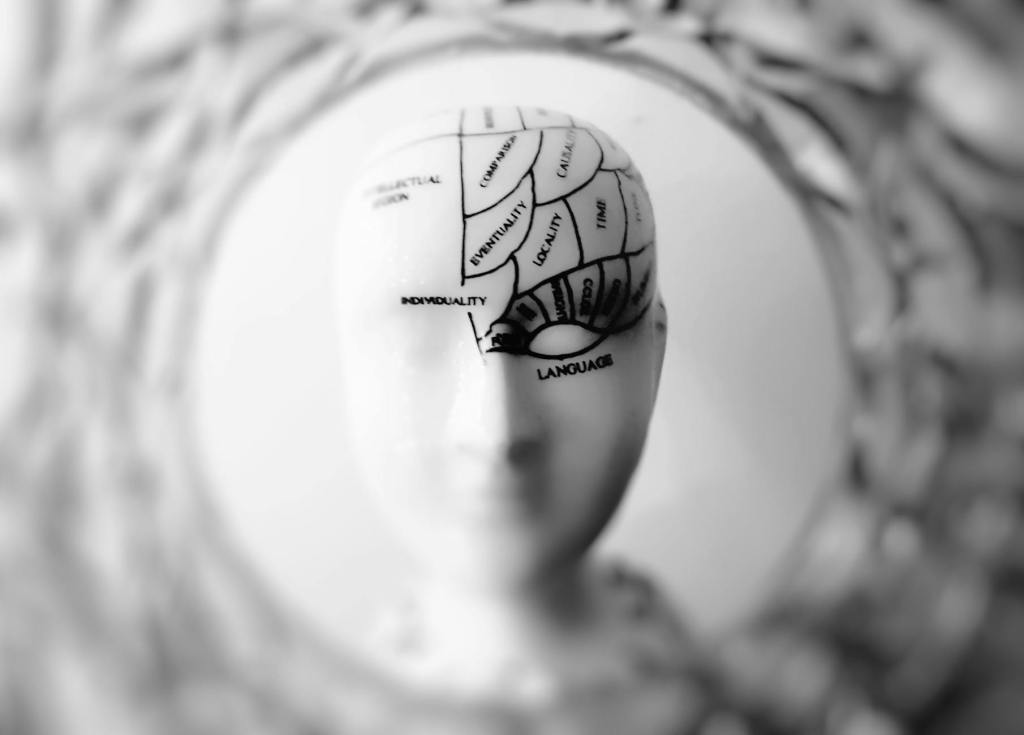

Human psychology is a fascinating field that dives into the complexities of the human mind and behaviors within. Psychology is just looked over as “the way we are born” or “what we inherited” but can we also form these different mental disorders or way of thinking overtime? Our surroundings whether natural or built, have a huge impact on how we feel and think. Many people know that factors like stress, relationships, and genetics can influence mental health, but the environment we live in plays a huge role as well. From mental disorders to the way we interact with others, here’s how the environment affects our mental well-being.
One of the most important things that affects how we interact with people is our social environment. Whether we’re at home, school, work, or hanging out with friends, the setting plays a huge role in how we behave. People often act more formal and serious in places like school or work compared to when they’re with friends or family. This happens because we subconsciously adapt to the social norms of each environment.
In psychology this is also known as social conformity, which means that we tend to follow the behavior of the people around us. If everyone in a classroom is quiet and focused, we’re more likely to act that way as well. On the other hand, if we’re hanging out with friends where everyone is loud and laughing, we’ll probably feel more comfortable being loud and expressive towards the people around us. Our surroundings create expectations for how we should act, and we tend to adjust to fit in.
The amount of space we have around us can impact how comfortable we feel in social situations. When we’re in crowded places, like a big city or a packed event we tend to automatically feel more anxious and aware of our surroundings because we feel as if our space is being invaded. This feeling can be known as crowding and can make people more anxious and impatient. On the flip side, when we’re in open, spacious environments, we usually feel more relaxed and at peace. This is why people often enjoy socializing in parks or large rooms rather than tight knit places that are extremely over-bearing or crowded. Our need for personal space is a big part of how we feel about social interactions, and environments that respect that need for space tend to lead to more positive, comfortable interactions.
Believe it or not, the colors and lighting in our surroundings can change the way we feel and how we interact with others. Psychology studies have shown that colors can influence our emotions and behavior. For example, warmer colors like red and orange are known to increase feelings of energy and excitement, which can lead to more lively social interactions. In contrast, cooler colors like blue and green tend to calm people and have cooler, mellow social interactions.

 The Golden Thread
Leave a comment