
Oftentimes when we think of abuse, we think of the horrors and suffering the abused go through; however, we often disregard the psychology of abusers themselves. Are they monsters that lure victims into their web of lies? Or perhaps they are misunderstood? Surprisingly, both of these assumptions hold validity.
Into the Mind
To dive deep into the psychology of abusers, you have to understand the surface level first. Abusers, by definition, are associated with ill intentions, and tend to show traits such as narcissism, patriarchal (or matriarchal) beliefs, entitlement, lack of empathy, and delusion. These all contribute to their overarching belief that their wellbeing in the only one that matters, and what eventually leads to a road of abuse, violence, and self-destruction.
The fact of the matter is, all these traits point the blame to the abuser, but I must remind you that this is only the surface. These traits don’t appear out of nowhere, and they beg the classic question of nature vs nurture: Are abusers born the way they are, or is it a learned behavior?

The Roots
To answer the latter, we have to start at the beginning: their upbringing. More often than not- when looking at an abusers past- you would feel a sense of pity. And if you were to separate the abusers adulthood from their childhood, you see almost polar opposites.
The abuser as well as the abused.
The abuser habituates themselves to an environment of abuse, and as a result don’t see the severity of their wrongdoings. In a report by the Cabot Police Department, it was found that juveniles who come from an abusive household have a 53% chance of being arrested by the age of 18, and later on in adulthood have a 38% likelihood of being charged on the count of violent crime. This creates the foundation for the idea known as “The Cycle of Abuse”, the abuser passing down their habits to their own children, and their children growing up to do the same as them.
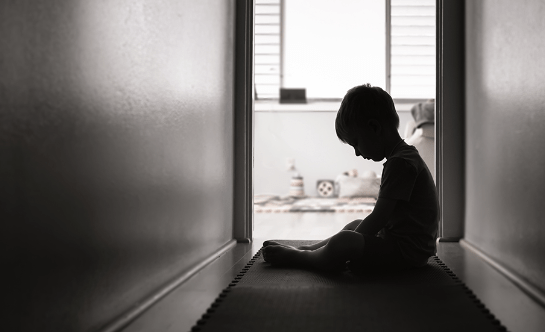
An Eternal Cycle
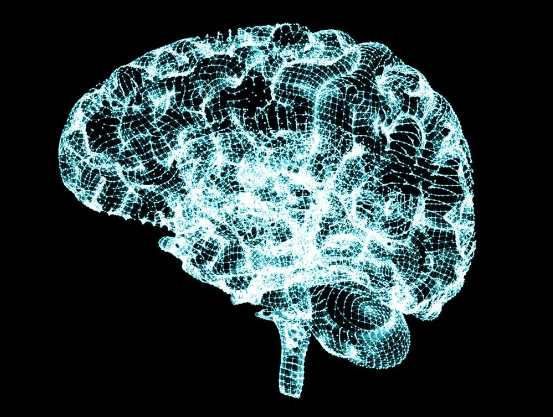
A child’s brain is extremely sensitive due to it’s constant growth, and when they undergo trauma, their brain reflects it. Studies by the Journal of Child Psychology and Psychiatry indicate that abused children experience reduced cortical thickness- which is linked to a lack of cognitive function- in multiple sections of the brain. These parts of the brain include, but aren’t limited to, the ventromedial prefrontal cortex, bilateral parahippocampal gyrus, and bilateral inferior temporal gyri (Find out more). All of these- plus the parts not listed- have to do with one of three things, emotional regulation, decision-making, or memory. All of which lead to unhealthy habits commonly seen in abusers, but also abused adults.
According to the Office of Justice Programs, people who have been abused are six times more likely to be abused again. This reveals that this generational cycle not only creates abusers, but also creates susceptible victims.
What is it?
So are abusers truly monsters, or are they misconstrued beyond our comprehension? Was it ingrained into their mind from birth, or were they branded with it? The unfortunate truth is that they are monsters; however, most were never born that way, rather forced to be during most of their upbringings. Being ingrained with violence to the point of it becoming natural like a spider to it’s web, and manifesting traits many associate with abusers. Finally, they become the abuser they were once tormented by, adding another string in the web.

 The Golden Thread
Leave a comment