
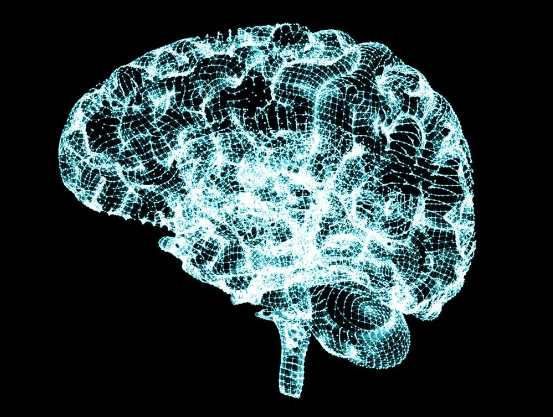
Let’s look into the fascinating world of the nervous system and how it brings together our brain, emotions, and the endocrine system. It’s like a complex web of communication that influences our every thought, feeling, and action.
Nervous System 101
First off, the nervous system is our body’s electrical wiring, sending signals at lightning speed. It consists of two main parts: the central nervous system (CNS), which includes the brain and spinal cord, and the peripheral nervous system (PNS), which connects the rest of the body to the CNS. This system is vital for everything from reflexes to complex behaviors.
Brain and Emotions
Now, let’s talk about the brain. According to Nemours TeensHealth, the brain is our control center, processing information and coordinating responses. It’s also where our emotions take place and are processed, largely thanks to structures like the amygdala and hippocampus. The amygdala, in particular, plays a key role in how we react to emotions like fear and pleasure. When something happens—like a close call while driving—your amygdala kicks in, triggering an emotional response (most of the time known as your fight or flight.)
This emotional processing isn’t isolated. The Britannica article on emotions and behavior highlights how emotions can influence our actions and decisions. For example, feeling anxious might make you hesitate to try something new, while happiness can boost your confidence. It’s a continuous feedback loop: emotions affect brain activity, and the brain, in turn, influences how we feel.
The Endocrine Connection
The nervous system is very complex, so theres still more; the nervous system doesn’t work alone, it teams up with the endocrine system. This system produces hormones that regulate various functions in our body, including mood. According to Verywell Mind, the hypothalamus in the brain links the nervous and endocrine systems, acting like a control center for hormone release. When you’re stressed, for instance, the hypothalamus signals the adrenal glands to release adrenaline, ramping up your heart rate and getting you ready to react, this is how it connects back to our emotions.
This connection means that emotions can trigger hormonal changes. So when you feel excited, your body releases dopamine, giving you that excentric boost. Conversely, stress can lead to increased cortisol levels, which might affect your mood and overall health (more about the affects of stress in my first blog post.)
In Conclusion
In summary, the nervous system is like a ring leader controlling the complexities between your brain, emotions, and hormones. This dynamic relationship helps us navigate the highs and lows we experience in life, shaping how we experience the world. Understanding this connection can empower us to manage our emotions better and recognize the physical responses our bodies have to them, as well as how respond to others based on our personal experiences.
So the next time you feel a surge of emotion or experience a physical response, remember that it’s all part of this intricate system between your brain, nervous system, and your endoocrine system.

 The Golden Thread
Leave a comment