
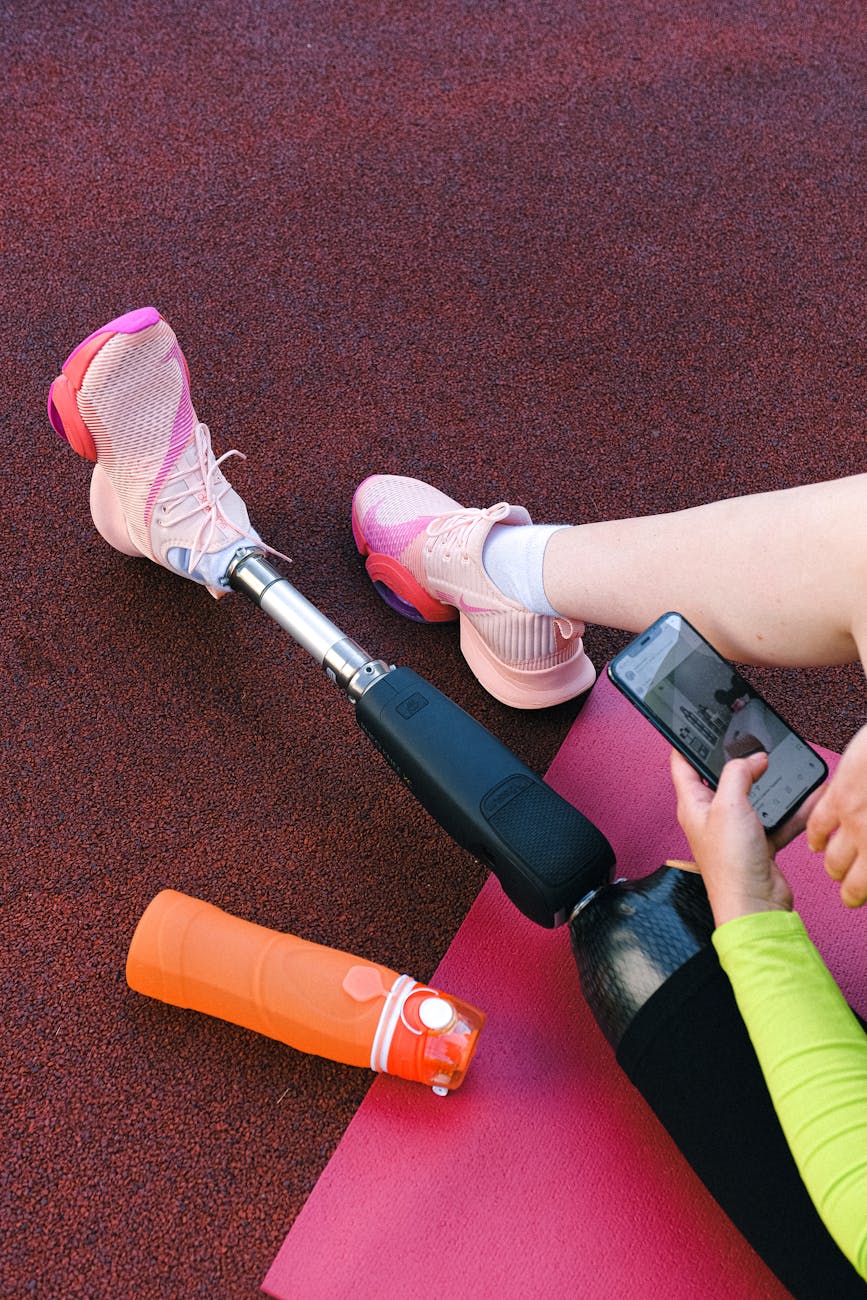
Prosthetic Limbs are an amazing invention that allows amputees to have their independence restored. While this innovative technology isn’t for everyone, it is a great opportunity for many individuals.
History of Prosthetics
The earliest documented prosthetic limb was from Ancient Egypt. 2,600 to 3,400 years ago, the people of Egypt would use papier-mache and wood to act as toes, they called these toes “Greville Chester toes”. This is considered a cosmetic accessory since the toe wasn’t flexible. (The image bellow is the “Greville Chester” toe)
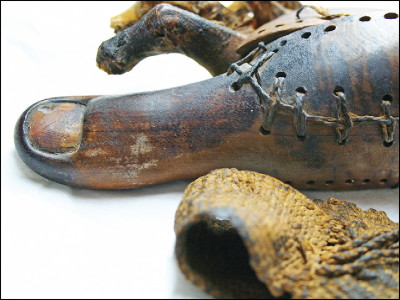
The earliest sign of a working prosthetic was the “Cario Toe”. This toe was made of leather, which allowed the technology to be flexible and practical.
300 years later in Italy, the “Capua Leg”, which closely resembles the modern prosthetic leg, was used by Roman noblemen. All through Europe variations of this new technology were starting to come about. At the time, the Capua Leg was very heavy. Hence, as it morphed into the prosthetics we are familiar with now, the technology became more lightweight and easier to operate.
The American Civil War sparked a revolution of development for prosthetic technology. Because so many patients were encouraged to fight for what they believed in, doctors pushed for the advancement of prosthetics. In this era, the “Hanger Limb” (as seen below) was most commonly seen amongst amputees.

With each world war causing more traumatic limb injuries, over time the prosthetic limbs have morphed into technologies that can restore almost full independence for an amputee.
How Does One Obtain A Prosthetic Limb?
To qualify for a prosthetic limb, an amputee’s physical/cognitive capabilities, residual limb characteristics, and other medical conditions must be considered.
Prosthesis fitting is a tedious task, and allowing people to adjust to their prosthetics is another hard task a patient faces. The process is taxing on a person, so while you want prosthetics to be accessible for everyone, it is important to assess how well the candidates are prepared for the adjustment.
To begin the whole process of prosthetic sizing and adapting, you must have a physician’s prescription for the limb itself.
This process may seem like overkill, but to ensure that a patient is the right fit for this piece of technology, you have to be thorough with assessing as much.
Help Post-Prosthetic
Relearning how to function with a limb is a long process, so rehabilitation is needed for patients who are relearning life. Physical and occupational therapists make personal rehabilitation plans based on where the patient is at and assist with keeping your body healthy while learning how to operate your limb.
While doctors are working hard to make sure everything runs smoothly, obstacles like hyperhidrosis (excessive sweating) and phantom limb pain, make adapting harder.

 The Golden Thread
Leave a comment