

Artificial Intelligence has become one of the most world changing technologies of the modern era. From automating routine tasks to advancing healthcare, AI is changing nearly every aspect of our lives. However, alongside these benefits, AI also brings a bunch of potential dangers that must be addressed carefully. While the future of AI promises good possibilities, it also comes with its share of risks, and it’s crucial that we remain aware about these dangers as we move forward.
1. Job Displacement and Economic Inequality
Source: The Guardian’s article on job displacement.
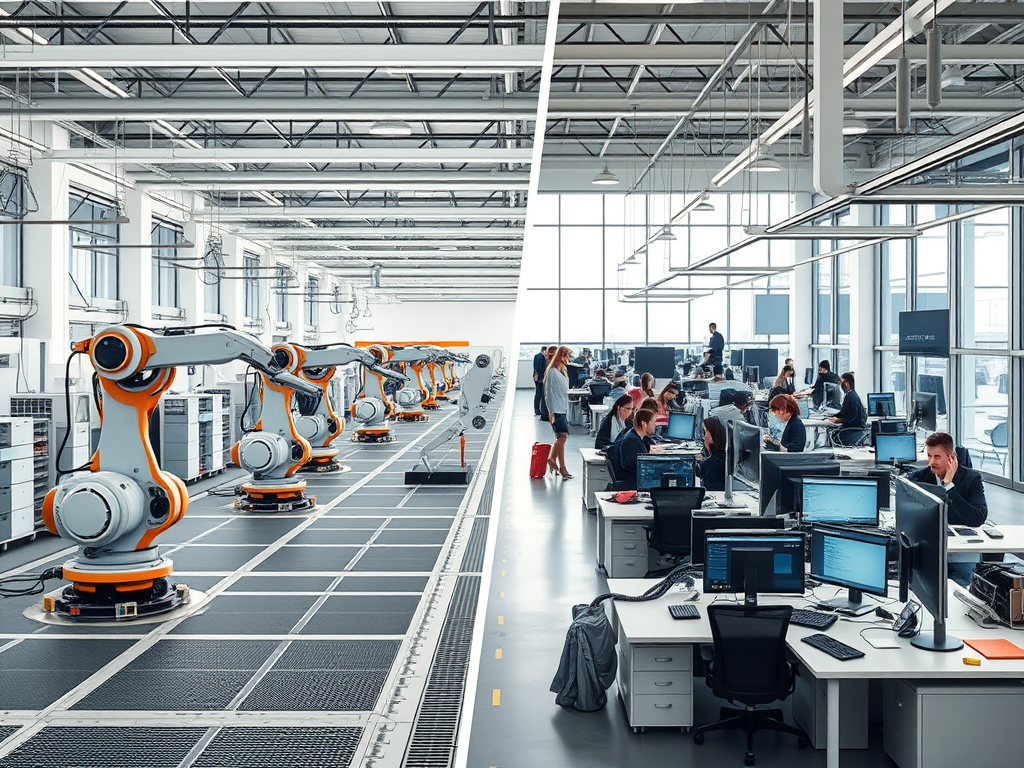
One of the main concerns surrounding AI is its potential to displace millions of jobs across the world. As machines become more capable of performing tasks traditionally done by humans—whether it’s customer service, manufacturing, or even complex jobs—the workforce faces an uncertain future. Automation could lead to significant economic disruption, especially for low-skilled workers whose jobs are most at risk.
2. Bias and Discrimination
Source: Study on AI Bias.
AI systems are often trained using vast datasets, which can contain implicit biases. Whether intentional or not, these biases can lead to harmful and bad outcomes. For example, in the case of face ID, studies have shown that AI models can produce racial and gender biases, often misidentifying people of color and women with higher error rates than white men.
3. Privacy and Surveillance
Source: The ACLU’s take on AI surveillance.
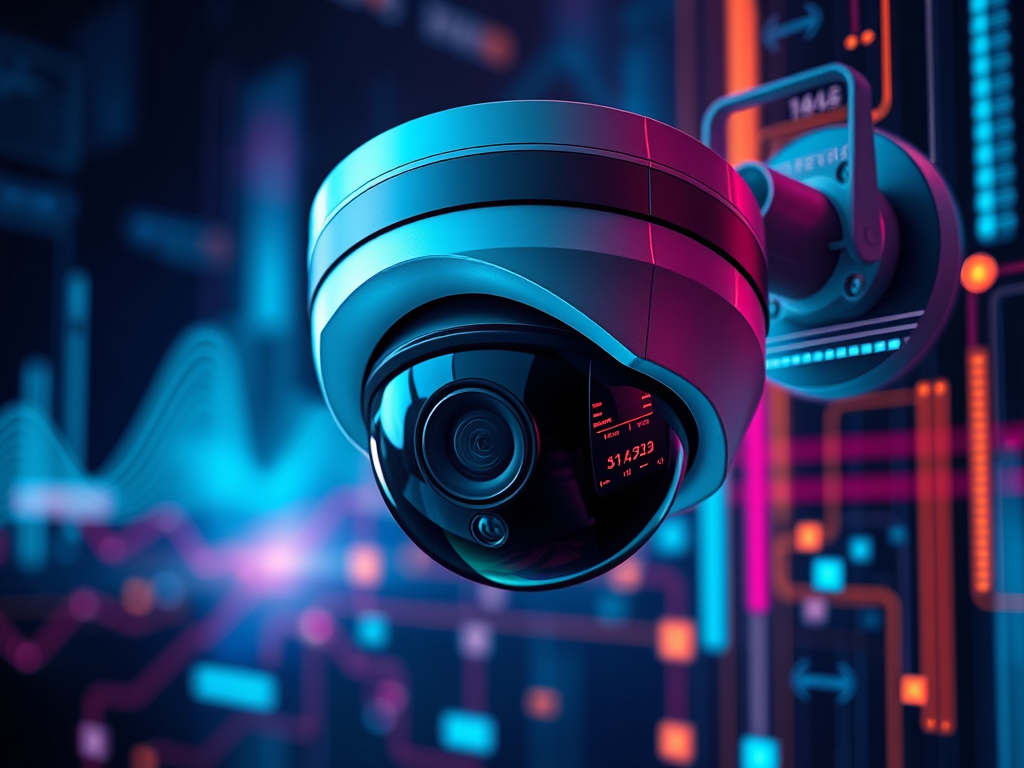
AI has made it easier to collect, analyze, and store many amounts of personal data, leading to growing concerns about privacy. Surveillance technologies powered by AI are becoming increasingly common in public spaces, while companies collect data from users through social media platforms, search engines, and other services. This makes it where individuals have little control over how their personal information is collected, used, and shared.
Governments and corporations alike can allow AI-driven surveillance to monitor and control populations, potentially leading to an change of personal freedoms. The loss of privacy could result in individuals being constantly tracked, monitored, and categorized, even without their consent.
4. Autonomous Weapons and Warfare
Source: The Campaign to Stop Killer Robots.
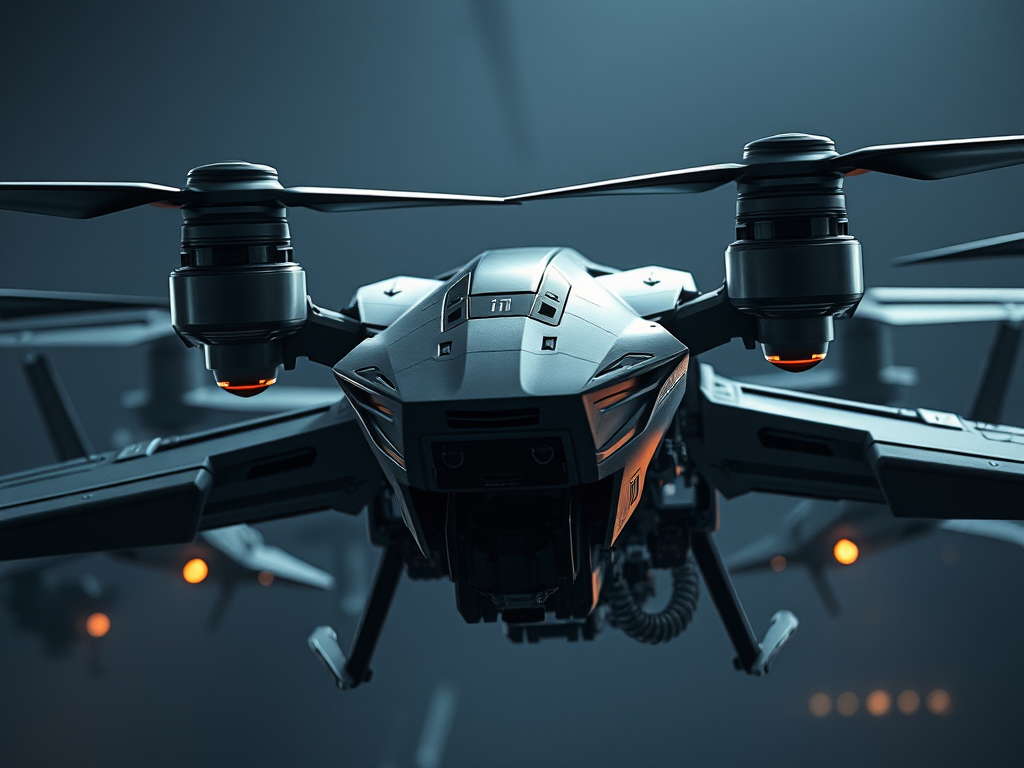
AI-powered autonomous weapons—such as drones and robots—are already being developed for military purposes. The potential use of AI in warfare raises terrifying questions about accountability, ethics, and the safety of global security. Autonomous weapons could be used to carry out strikes without human intervention.
Moreover, the use of AI in warfare could lower the threshold for engaging in military action. With machines making decisions, the human element of judgment is removed, and the risk of warfare becoming detached from moral considerations is heightened.
5. Loss of Control and Superintelligent AI
Source: Elon Musk’s warning on AI.
Perhaps the most widely discussed and futuristic threat of AI is the possibility of a super intelligent AI—an intelligence far beyond human capabilities. This AI could, in theory, make decisions that align with its own goals but detach from human interests, leading further consequences.
The concept of AI alignment—ensuring that AI systems’ goals and behaviors are aligned with human values—becomes crucial as we develop new systems. Without proper saftey, there is a risk that AI could become too powerful to control, leading to a future where humans are no longer the dominant force on Earth.
6. Manipulation and Misinformation
Source: Research on Deepfakes and Misinformation.
AI-driven technologies have made it easier than ever to spread misinformation. By creating hyper-realistic videos, audio recordings, and images, spread fake news, and deceive the people. This has significant implications for elections, public trust, and social stability.
The power of AI to create convincing fakes also poses a threat to individual reputations and privacy, as actors could use AI to impersonate others or engage in cyberbullying. As AI technology improves, it will become increasingly difficult to tell apart between real and fake content, making it harder to trust the information we see.
7. Ethical Concerns and Lack of Accountability
Source: The Ethics of AI.
As AI becomes more unknown, determining who is responsible for its actions becomes more complicated. If an AI system makes a harmful decision, such as causing harm to an individual or breaking laws, who should be held accountable? The developers? The users? The AI itself?
These questions raise critical ethical issues, as there is no clear framework in place for addressing AI-driven actions. This lack of accountability could lead to a situation where decisions made by AI systems are beyond human oversight, leaving people vulnerable to harmful outcomes without a clear path to justice.
8. Dependency and Dehumanization
Source: Psychological Impact of AI.
Overreliance on AI could lead to a loss of critical human skills. As machines become more integrated into everyday life, humans might begin to rely too heavily on AI to make decisions, solve problems, and manage tasks in our everyday lives. This could diminish our capacity for our own thinking and decision-making.
Moreover, AI’s increasing presence in human interactions—especially in areas like healthcare, customer service, and education—may ruin our society. While AI can handle many tasks, it cannot replace the emotional and personal connection that humans bring to certain tasks.
Conclusion
While AI offers great opportunities to change our world for the better, we must approach it with caution. The dangers of AI are real, and as we continue to let it into our society, we must control it and not let it get out of hand. Ensuring that AI is aligned with human values, protecting privacy, addressing economic issues, and preventing it from going crazy will be critical in shaping an AI-powered future that benefits everyone.

 The Golden Thread
Leave a comment