
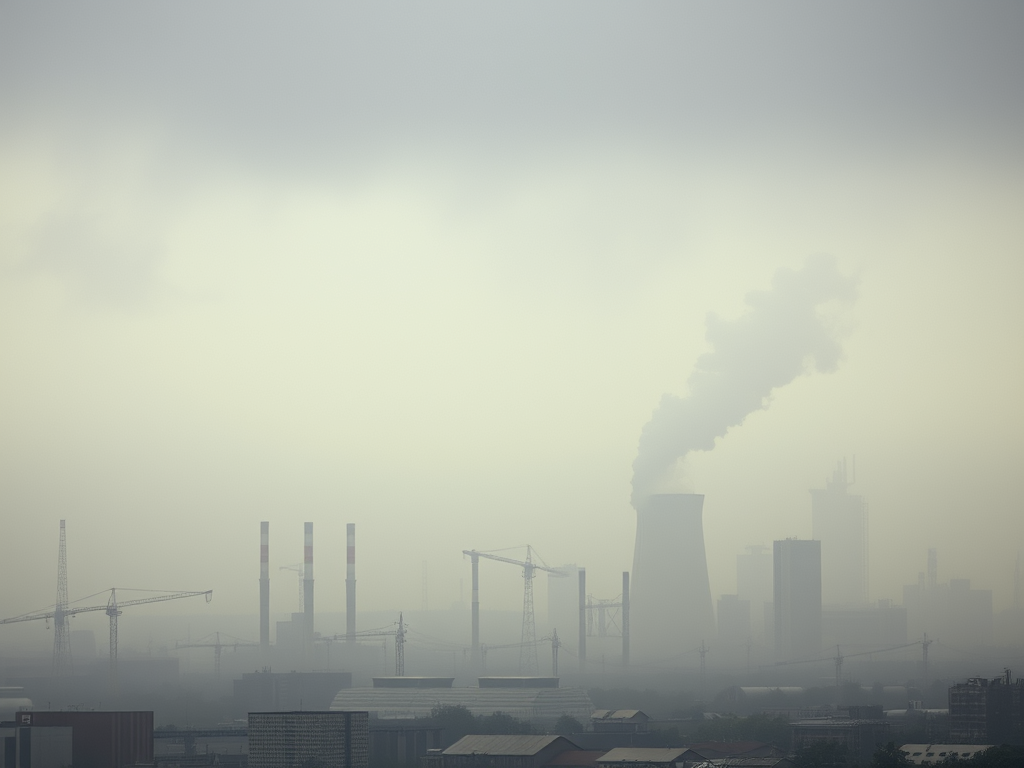
What is Air Pollution?
Air pollution is harmful chemicals or substances that exist in the atmosphere around us, significantly affecting the health of both humans and the environment. Main contributors include vehicles, which emit exhaust fumes that contain nitrogen oxides; power plants, that burn fossil fuels and release sulfur dioxide; and industrial manufacturers, responsible for releasing a range of pollutants into the air. Natural sources like wildfires can also contribute to air quality degradation. The effect of these pollutants can lead to severe health issues, including respiratory diseases and cardiovascular problems, as well as environmental impacts such as acid rain and climate change, highlighting the importance for stricter regulations and cleaner technologies in our daily lives.(https://www.niehs.nih.gov/health/)
Step in the Right Direction
The Clean Air Act is a Federal law that was created to regulate all sources of air emissions, to improve and maintain air quality across the United States. The Act was put into action in 1970, it has been recorded that air pollution levels have continued to lower, with declines in various pollutants even as the economy has grown and industrial activities have expanded. “Between 1970 and 2020, the combined emissions of the six common pollutants dropped by 78 percent.” This highlights the effectiveness of the Act and the ongoing commitment to environmental protection. You have probably noticed the increased push for more eco-freindly technologies and easier accessibility in the electric car industry. As more manufacturers promote electric vehicles, consumers are becoming more aware of their benefits—from reduced emissions to lower operating costs—which creates a transition toward sustainable transportation solutions. This shift not only supports the Clean Air Act but also plays an important role in our fight against climate change.
Most Polluted Cities
Byrnihat, India, Delhi, India, Lahore, Pakistan, N’Djamena, Chad (https://www.iqair.com)
What can YOU do?

- Use sustainable transportation- biking, walking, carpool, public transportation
- Conserve electricity- consider setting your thermostat a little higher in the summer and lower in winter.
- Avoid Idling- turn off your engine when parked, as idling contributes to air pollution
- Stop smoking
- Reduce, Reuse, and Recycle
- https://www.airnow.gov

 The Golden Thread
Leave a comment