
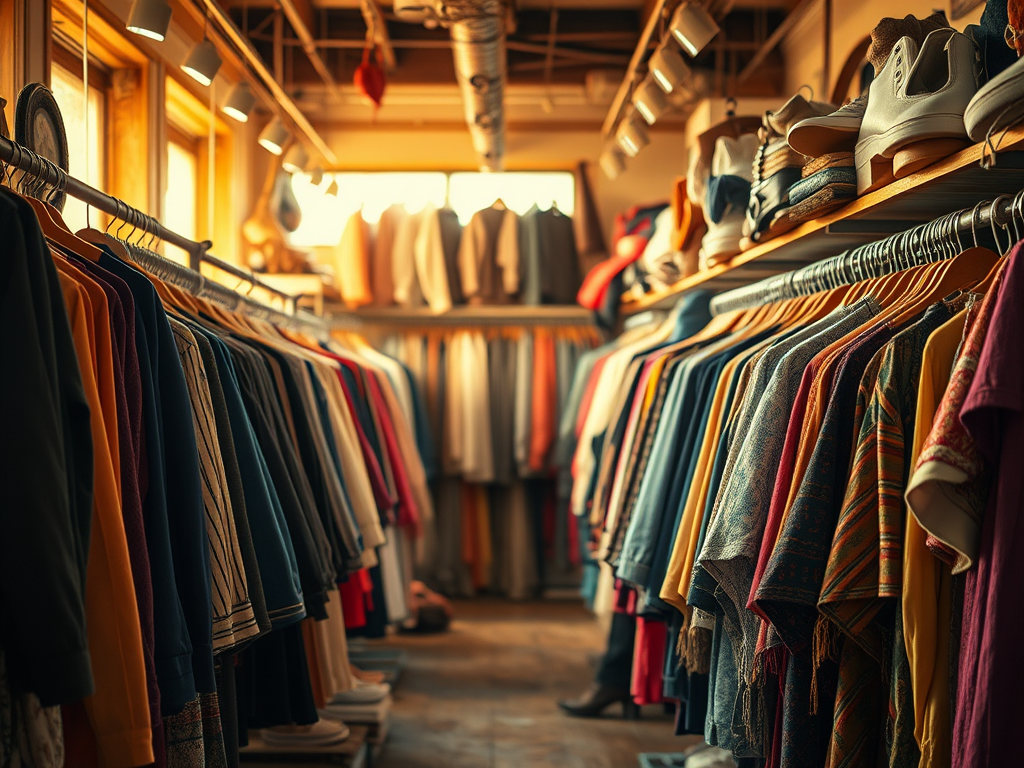
Thrifting has recently seen a surge in popularity as consumers seek ways to combat fast fashion. But is thrifting truly a more sustainable alternative? Thrifting offers second-hand and antique clothing at discounted prices. The rise of thrifting can be directly linked to social media. Online influencers push thrifting culture on others by showcasing their “hauls” and promoting sustainability in fashion.
The Dark Side of Thrifting
Despite being marketed as a sustainable alternative, thrifting is plagued by the same problems as the fashion industry. In a way, it’s shaped by the same systems of capitalism and consumerism that created fast fashion. This can be seen in the rise of reselling secondhand items for a higher profit, like on Depop and Poshmark. While it promotes the idea of reusing, it can also contribute to the gentrification of thrifting, reflecting the same capitalist values that we see in fast fashion.
The Changing Purpose of Thrifting
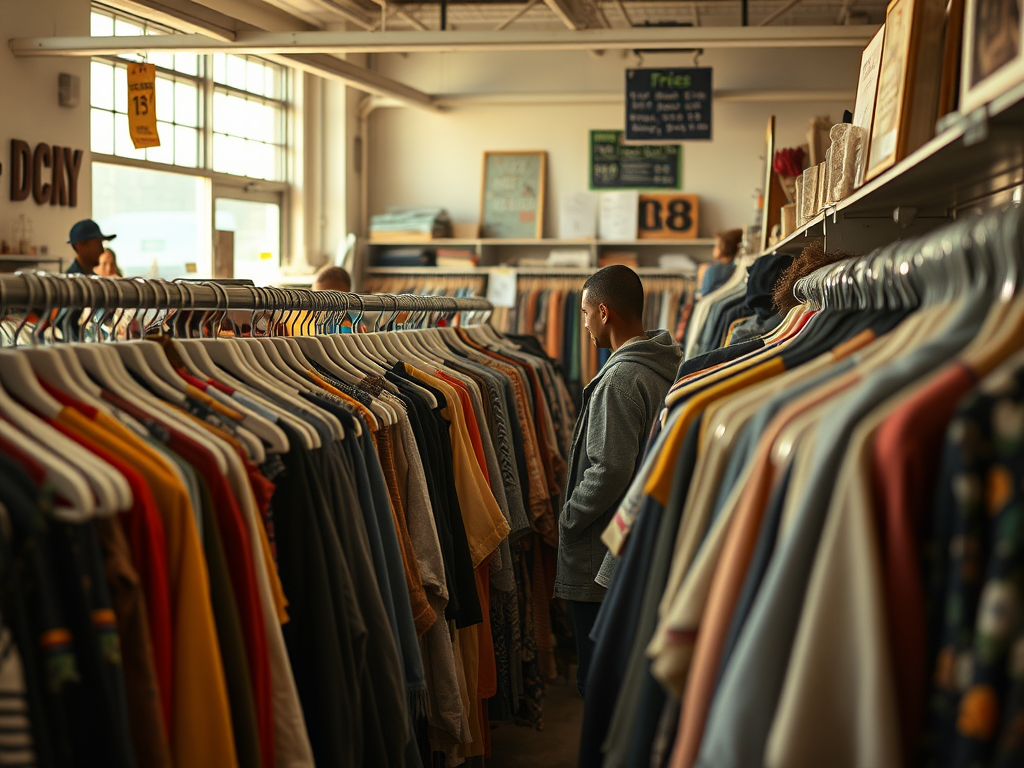
With its newfound popularity, it’s easy to forget the original purpose of thrifting. Once a resource for low-income families, it has now become a trend. And as more people shop second-hand for aesthetic reasons rather than necessity, thrift store prices have begun to rise. A study found that low-income groups struggle to find desired clothing from the selection left over at stores after they’ve been picked over by resellers.
Fast Fashion’s Influence on Thrift Stores
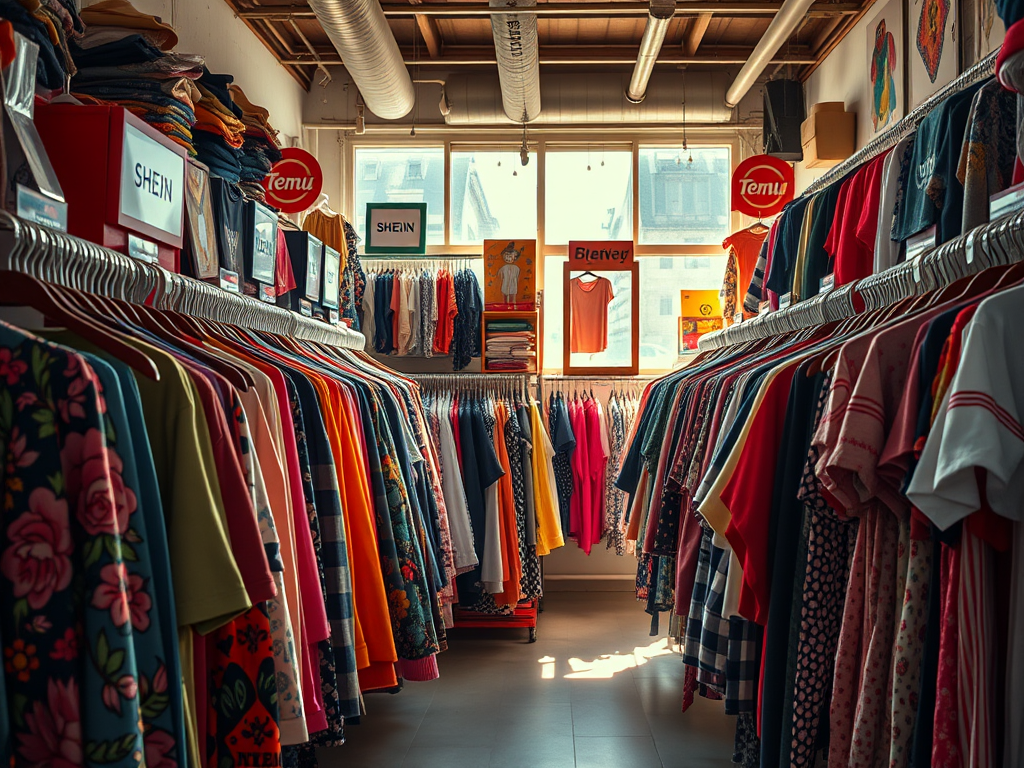
Ironically, many clothes that you find at thrift stores today come from the very fast fashion brands people are trying to avoid. As discussed in the previous blog post, these clothes are made of cheap and synthetic fibers that don’t last. So, even when these clothes are donated, rather than discarded, they end up in landfills anyway. Donating clothes isn’t an adequate solution anymore; it’s just an added step between the clothes’ impending fate. The demand for second-hand clothes has become extremely commercialized, and thrift stores themselves have become profit-driven businesses. While thrifting may feel like a more ethical option, it doesn’t escape the same systems that drive fast fashion.
Solution
So where can we shop without participating in a culture of overconsumption that values quantity over quality? It’s honestly hard to say because it seems as though nothing is immune to the pressures of consumerism. In this case, there’s no quick solution, but there is a lesson to be learned: true sustainability is less about where we shop and more about how we think about clothing. In other words, don’t purchase clothing for trends, purchase quality and timeless pieces that you truly love and will wear for years to come.


 The Golden Thread
Leave a comment