
Around the world, as people have developed and changed around the world, so have their cultures, including the languages, art, religion and many other pieces of their lifestyles. In this article, we’ll discuss different examples of the types of traditional fashion from countries around the world.
Scotland, The Kilt

The Kilt is a fairly well-known piece of Scottish heritage. It’s a knee-length, pleated skirt typically made of wool and patterned in a clan-specific tartan. Traditionally worn by men, kilts are often seen at formal events, cultural festivals, and Highland games.
Southern Germany and Austria, The Tracht
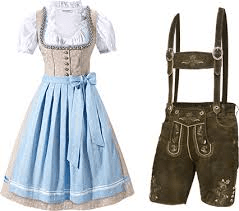
This garment is the traditional dress for many in these regions, known as lederhosen for men and dirndls for women.
Spain, The Flamenco Dress
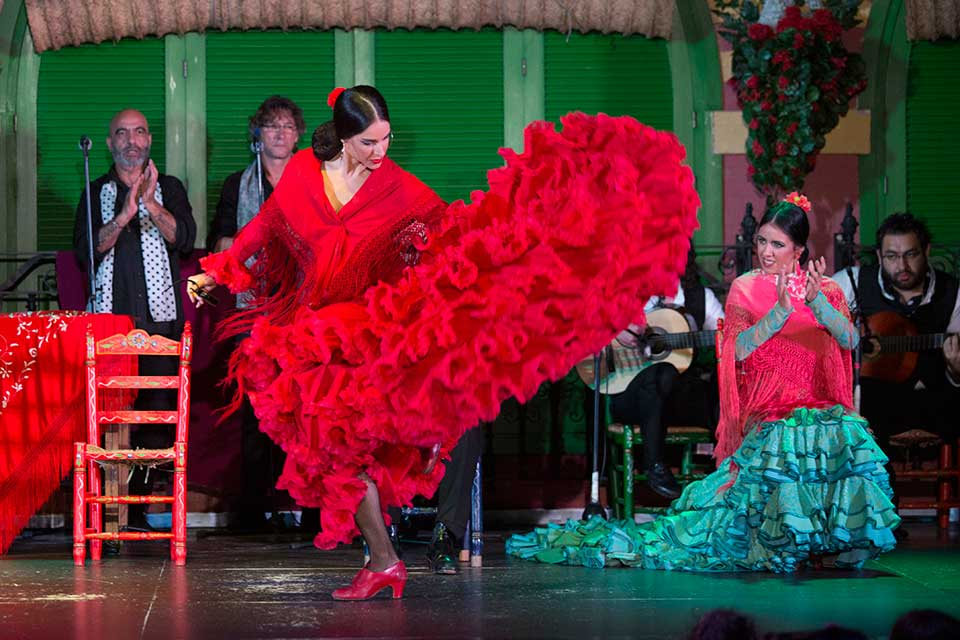
Also known as traje de flamenco or traje de gitana, this vibrant, form-fitting dress features multiple ruffled layers and is typically worn during flamenco performances and at celebrations like Feria de Abril in Seville. Its dramatic style reflects the passionate energy of the dance itself.
India, The Sari

This piece of clothing, although one of the simplest possible, is also one of the most versatile. A sari is a long, flowing strip of fabric—usually around 6 to 9 yards—draped gracefully around the body and worn over a blouse and petticoat. It varies in style, fabric, and pattern depending on the region and occasion.
Bhutan, The Gho

The gho is the traditional attire for Bhutanese men. It’s a knee-length robe tied at the waist with a belt called a kera, creating a pouch above the waist often used to carry items. It’s worn with knee-high socks and leather shoes and is mandated for formal occasions and government settings.
Japan, The Kimono

The kimono is one of Japan’s most iconic traditional garments. It’s a long, T-shaped robe with wide sleeves, wrapped around the body and secured with an obi belt. Kimonos are worn during festivals, weddings, and tea ceremonies, with styles and fabrics that vary based on the season and the event.
Traditional clothing is more than just fabric and design—it’s a reflection of a community’s history, values, and identity. From the structured elegance of the Japanese kimono to the colorful flair of Spain’s flamenco dress, and even the these garments tell stories of heritage and pride. As cultures continue to evolve, traditional fashion remains a vibrant link to the past, celebrating the diversity that makes each country unique.
https://www.roughguides.com/gallery/traditional-dress/#menswear-todos-santos-cuchumatan-guatemala

 The Golden Thread
Leave a comment