
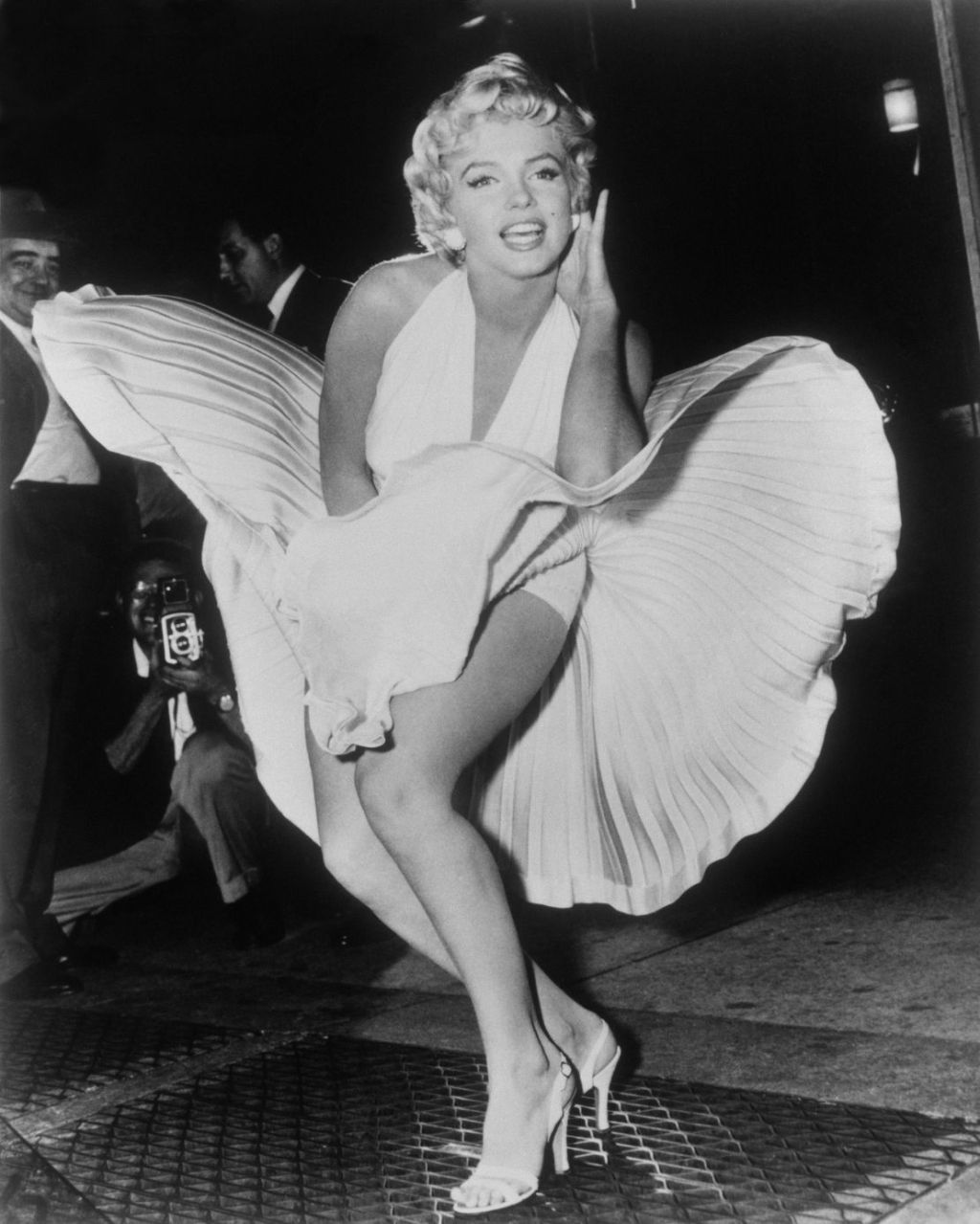
Few names in pop culture history evoke such immediate imagery as Marilyn Monroe. The blonde curls, the red lips, the breathy voice, the white dress billowing above a subway grate, Monroe is immortalized in the public consciousness as the ultimate sex symbol. But that image, though iconic, is also a product of a deeper and often troubling legacy of sexualization that shaped her career, her personal life, and her lasting image.
The Creation of a Sex Symbol
Marilyn Monroe wasn’t born a bombshell. Born as Norma Jeane Mortenson, she spent much of her childhood in foster care. Her transformation into Marilyn Monroe was meticulously manufactured by Hollywood studios. Her looks were refined, her voice stylized, and her public persona carefully constructed. She was marketed as innocent yet seductive, naive yet provocative. A contradiction that made her irresistible to a post-war America yearning for both stability and fantasy.
The 1950s were a time of strict gender norms and repressed sexuality. Monroe’s image played into those tensions. She offered a fantasy of female sexuality that was overt but safe, wrapped in vulnerability. In film after film, she was cast as the “dumb blonde” whose value was tied to her physical appeal. Her intelligence, ambition, and even her sense of humor were often ignored or downplayed.
Agency or Exploitation?
This is where the story becomes more complex. Monroe herself was aware of her sexualization. She used it strategically to break into Hollywood and gain attention, but she also grew increasingly frustrated with the roles she was offered. She once said, “The body is meant to be seen, not all covered up.” Yet, behind those words was a woman battling to be seen as more than just a body.
She fought against the studio system, started her own production company, which was a bold move at the time for a woman, and sought more serious roles. But the industry (and the public) was reluctant to let go of the image they had of her. The sexualization that launched her to fame ultimately boxed her in, limiting the kinds of opportunities available to her.
A Mirror to Society
Marilyn Monroe’s story isn’t just about one woman. It reflects broader societal dynamics. Her image became a kind of cultural mirror, reflecting America’s evolving attitudes toward sex, gender, fame, and female autonomy. She was desired, adored, and consumed by the public. But she was also misunderstood, underestimated, and, in many ways, dehumanized.
The sexualization of Monroe set a precedent in media that still shows today. Countless female celebrities—Britney Spears, Megan Fox, Kim Kardashian, and others—have grappled with the same double-edged sword: being empowered by their sexuality while also being reduced to it.
Reclaiming the Narrative
In recent years, there has been a growing effort to reassess Monroe’s legacy. Documentaries, biographies, and even TikTok trends have sought to peel back the layers of her public persona to reveal the smart, savvy, and emotionally complex woman underneath. She was not just a sex symbol—she was a poet, a reader, a businesswoman, and someone who longed for respect as an artist.
To talk about the sexualization of Marilyn Monroe is to ask hard questions about how we define women in the public eye—then and now. It’s about recognizing how fame, beauty, and desire can intersect in empowering and damaging ways.
Marilyn Monroe was never just a pretty face. She was a symbol, yes, but she was also a human being. The way she was sexualized, both by the media and by the culture, tells us as much about our society as it does about her. To honor her legacy is not just to remember her beauty, but to understand her struggle, and to make space for women to be seen in their full complexity.

 The Golden Thread
Leave a comment