
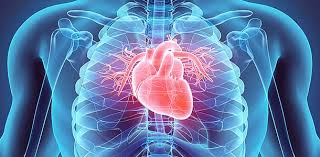
A simple guide to understanding open heart surgery.
Open-Heart Surgery might sound like something out of a medical drama, but for many, it’s a real life saving procedure. Whether you or a loved one is facing it, knowing what it involves can make things a little less overwhelming. Today I will be breaking down open-heart surgery into easy-to-understand terms.
What Is Open Heart Surgery?
Open-heart surgery is any procedure where the chest is opened and the surgeon works directly on the heart. The most common kind is coronary artery bypass grafting (CABG), used to treat blocked arteries that could cause a heart attacks (Mayo Clinic).
During the surgery, the heart may be temporarily stopped while a heart-lung machine takes over, keeping blood and oxygen flowing (NHLBI). Doctors may also repair or replace heart valves, treat heart Defects, or even help with heart failure.
Why Do People Need It?
Doctors may recommend open-heart surgery if you have:
- Blocked or narrowed coronary arteries that reduce blood flow to the heart.
- Heart valve diseases/ heart valves that are leaking or not opening properly.
- Heart Defects you were born with
- Severe heart failure that hasn’t improved with medication
Symptoms leading to surgery can include chest pain, shortness of breath, fatigue, and irregular heart rhythms (Healthline), leading your doctor to recommend this surgery.
Types Of Open-Heart Surgery
There isn’t just one kind of open-heart surgery. Depending on your heart’s needs, surgeons may perform one of the following:
- Coronary Artery Bypass Grafting (CABG): This is the most common type. Surgeons take a healthy blood vessel from another part of your body (often the leg or chest) and use it to “Bypass” a blocked artery in your heart. This restores blood flow and reduces the risk of heart attacks. (Mayo Clinic).
- Heart Valve Repair or Replacement: Your heart has four valves that help blood flow in the right direction. When a valve doesn’t open or close properly, it may be repaired or replaced with an artificial or biological valve (from pig, cow, or human tissue) (Cleveland Clinic).
- Aneurysm Repair: An aneurysm is a bulge in the wall of a blood vessel, often the aorta. If it gets too big, it can rupture. Surgeons can remove the weakened section and replace it with a graft to prevent life-threatening bleeding (Cleveland Clinic).
- Congenital Heart Defect Repair: Some people are born with heart problems like holes in the heart or malformed valves. These can often be corrected with surgery- even in infants (NHLBI).
- Heart Transplant: In severe cases of heart failure, the damaged heart is removed and replaced with a healthy donor heart. This is a last-resort option when all other treatments have failed (Cleveland Clinic).
- Maze Procedure for Atrial Fibrillation: This surgery treats irregular heartbeats (arrhythmia). The Surgeon creates scar tissue in a pattern (“maze”) inside the heart, helping control irregular heartbeats (Healthline).
What Happens During The Procedure?
Here’s a basic overview:
- Anesthesia: You’ll be fully asleep and pain-free.
- Opening the chest: The surgeon makes a 6 to 8 inch cut down the center of your chest and spreads the rib cage to access the heart.
- Heart-Lung Machine: Your heart may be temporarily stopped while the machine takes over its job-pumping blood and adding oxygen.
- Surgery: Whether it’s a Bypass, val repair, or something else, the work gets done.
- Closure: The chest is closed with wires and stitches, and you’re taken to recovery.
The whole operation usually take 3-5 hours, depending on what surgery you’re proceeding to do (NHLBI).
Recovery: What To Expect
Recovery happens in stages:
- Hospital Stay: Usually 5-7 days, including time in the ICU (intensive care unit).
- At-Home Recovery: Full recovery takes 6-12 weeks, give or take.
- Rehab: Most people join a cardiac rehab program to rebuild strength safely.
You’ll also need to take medications, attend check-ups, and slowly reintroduce exercise.
Are There Risks?
As with any major surgery, risks include:
- Infection
- Bleeding
- Blood clots or stroke
- irregular heart rhythms
- Memory or thinking issues
- Kidney problems (Healthline)
Doctors work hard to minimize these risks with careful planning and monitoring.
Final Thoughts
Open-heart surgery is a big event in anyone’s life, but also one of the most common and successful major surgeries performed today. Thanks to advances in techniques and recovery care, most patients return to living a full and active lives.
If you or someone you care about is preparing for open-heart surgery, knowledge is your best tool. Ask questions, follow your care team’s advice, and take it one day at a time.

 The Golden Thread
Leave a comment