
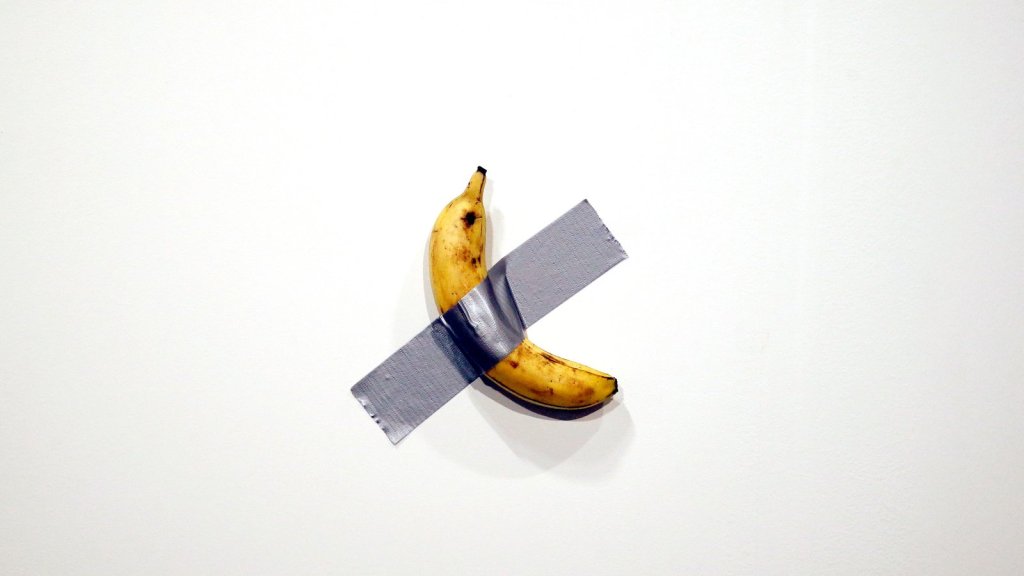
What’s the deal?
The conceptual art movement began in the mid 1960s. The main ideas of the movement was to put more meaning behind on why the piece exists; rather than the final piece. There is no problem with concepts meant to question political, societal, and moral issues. However, there is an apparent influx of those losing the meaning of critique and questioning, many contemporary conceptualists now gluing together objects and slapping a weak “moral” message on it to claim it as “art”. The problem with conceptual art stems from the fact they rely more on the fame of the creator rather than the message and technique behind the piece; creating lazy and greedy self proclaimed artists.
Examples?
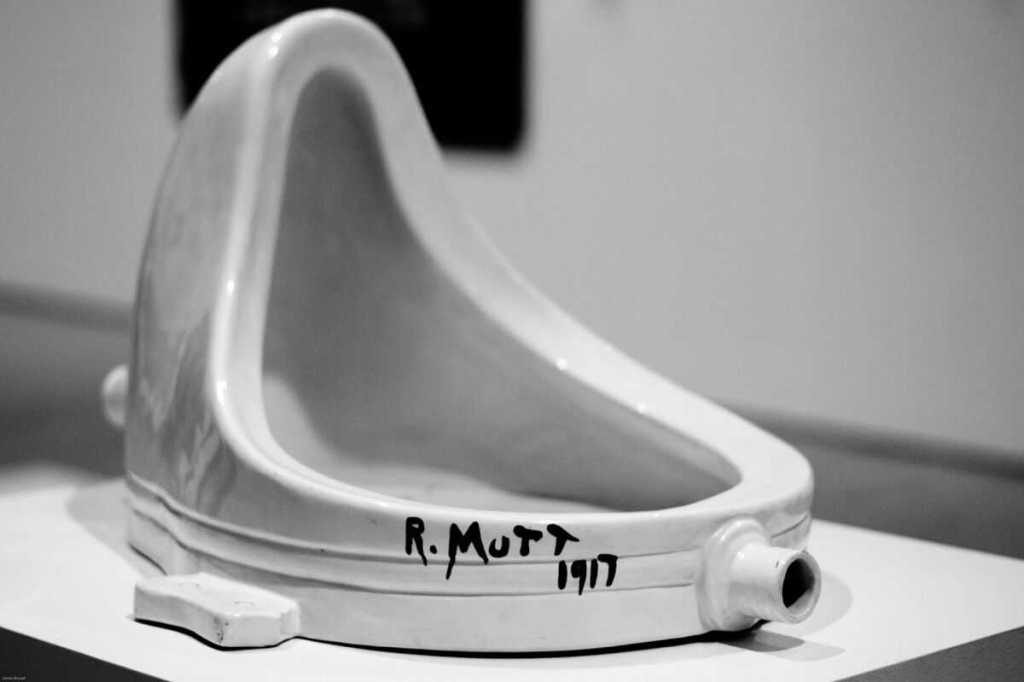
Jeff Koons, Damien Hirst, Marcel Duchamp, and Andy Warhol are the most notable people who capitalized on the movement. As the very backbone of a new variant of art that has so much potential one would think viewers would hold them to a higher standard. Unfortunately, that is not the case for this multi-million dollar “artists”. Jeff Koons is most recognized for his balloon dog series, which is made by him thinking up a reason to produce a different colored steel dog right before sending it to artisan who make the final product. Damien Hirst is infamous for paying hunters to find to cast the animals in formaldehyde. Marcel Duchamp is recognized off of his conceptual piece of a reassembled urinal; rather than his other works that many artists do appreciate.
Below is a photograph of Marcel Duchamp’s fountain, which apparently has new meaning to it after being flipped upside down. Duchamp made it to argue the validity of conceptual art itself, the work representing that anything can be a work of art even if its a eyesore.
Why Isn’t it Art?
Conceptual defenders may argue that since most famous artists had apprentices who worked with them, its alright for conceptual artists to rely on artisans to create the final project. Despite architects, painters, directors and other sculptors working with others to create a final product, many of the renowned conceptual artists lack the most crucial part; having a reason for its exigence. Architects work with others in order to create a building that will have a purpose, a move directed by a team sends a message, and traditional artwork from the baroque, renaissance, modern, and impressionistic periods all were made with the care of many people. This is where conceptual art differs, because time and time again the most famous works of conceptual art do not stir thought, and are typically either defending the movement or “representing life”.
The conceptual movement has incredible potential to be more than something aesthetically appealing to viewers. Unfortunately, conceptual art is only noticed when it looks ridiculous, like the famously viral banana taped to a wall. Moreover its based on the fame of an artist rather than their thought behind it. The majority of conceptual art cannot be claimed as art, because its relying on weak messaging and unoriginal thought all while being costly pieces only made for shock value.

 The Golden Thread
Leave a comment