
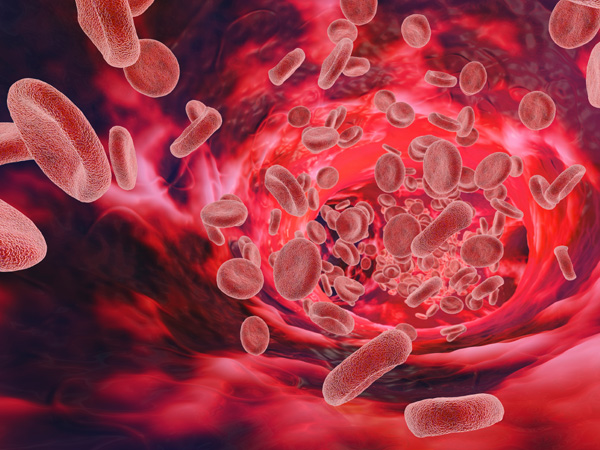
Within this blog I will be exploring the overall science of hemophilia and how it affects the population. What exactly does it do to the people that have this “royal gene?” Why does it cause their bodies to not be able to do a basic function that our body is required to have? What exactly is happening inside their bodies right now?
What is hemophilia?
Hemophilia is a rare, X-linked, genetic blood disorder in which the blood doesn’t clot like normal, causing the human body to bleed more than it typically would in someone without hemophilia. Because of this, they may have internal bleeding that may not even be caused by outward wounds.

Where did the name “royal disease” come from?
The name “royal disease” came from how hemophilia had a large presence within royalty, specifically Queen Victoria, who had passed the gene to her offspring. Because her children, like Prince Leopold, and grandchildren had married into other royal families, this spread the disease even more. Although anyone can inherit this blood disorder, it was extremely prominent within the royal families of Spain and England. This basically created a family tree of hemophilia and was even one of the causes for the downfall of the Russian royal family, as many of Queen Victoria’s daughters and granddaughters had married off to Russian and Spanish kings.
What are its variations?
Hemophilia has 3 main types:
- Hemophilia A (factor VIII [a glycoprotein procofactor] deficiency)
- Hemophilia B (factor IX [a serine proteases] deficiency)
- Hemophilia C (factor XI [zymogen form of factor XI] deficiency)
Both hemophilia A and hemophilia B are genetic disorders that mainly affect the blood’s ability to clot properly. This happens because of a change or mutation in a gene on the X chromosome, which is one of the two sex chromosomes that determines someone’s sex, meaning it is typically inherited, passed down from parent to offspring through their genes. However, this can also occur due to a simple mutation happening spontaneously during a fetus’s development in the womb, even if neither of its parents are hemophilia carriers.
About 1/3 of cases of hemophilia have zero family history of having hemophilia.
Hemophilia A accounts for 80-85% of hemophilia cases worldwide, hemophilia B accounts for around 15-20% of any cases worldwide, and hemophilia C accounts for only 8-10% of cases worldwide.
Hemophilia C is a deficiency or a mutation in factor XI, yet another protein that is involved with the clotting of blood. Unlike hemophilia A and B, it has less severe or milder symptoms. This is due to factor XI having a less critical role within clotting. However, it can still cause the patient to have continuous bleeding.
It is also important to point out that hemophilia C is much rarer, and its inheritance is a lot different compared to hemophilia A and B. Hemophilia C can affect both males and females, due to hemophilia C being inherited in a autosomal recessive matter, contrasting hemophilia A and B which are passed through our X chromosomes.
Autosomals are genes or genetic traits located on the autosomes, which are our numbered chromosomes (1-22) in comparison to our sex chromosomes (X and Y).
What are the symptoms of hemophilia?
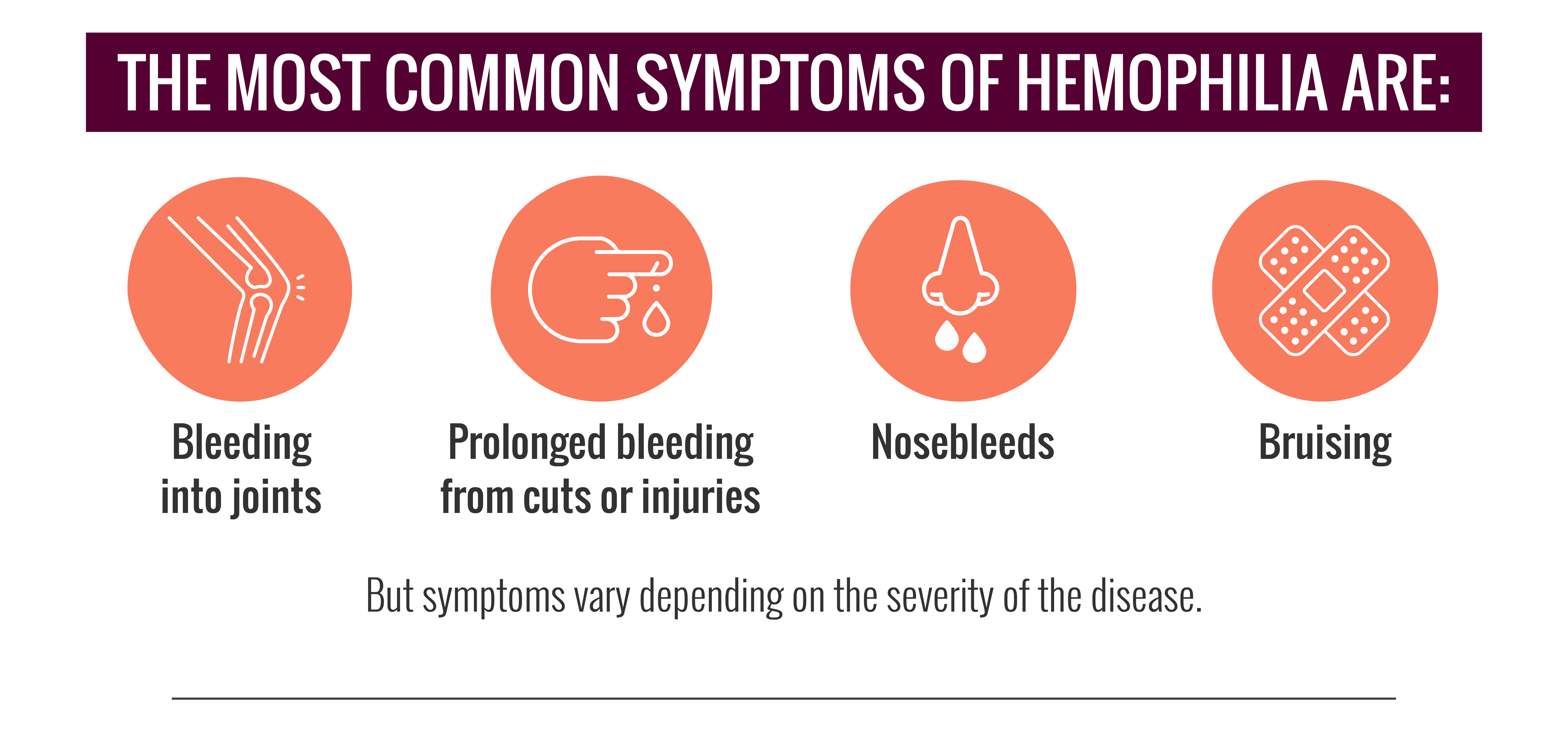
Within hemophilia’s different variations come its symptoms and its severity within each type of hemophilia. Within hemophilia A and B are more severe symptoms that compare to hemophilia C, which have more mild and less prominent symptoms.
Within both hemophilia A and hemophilia B, symptoms can include:
- Prolonged bleeding after minor injuries, cuts, bruises, or dental procedures
- Spontaneous bleeding that doesn’t seem to have any cause
- Heavy menstrual bleeding within females
- Pain, swelling, & stiffness within joints after bleeding into them
- Serious complications after bleeding within/into the brain, muscles, or other organs
- Easily bruising
- Nosebleeds
- Blood in the urine or stool
- Headaches
- Seizures in severe cases.
Within hemophilia C, symptoms may include:
- Prolonged bleeding after injuries, surgery, or dental procedures
- Easily bruising
- Heavy menstrual bleeding within females
- Nosebleeds
- Blood in urine or stool
Research and education
Hemophilia might be a lifelong condition, but with the proper awareness, people can help promote the research and continuous teachings of this rare disorder. The education and knowledge about this disease is extremely important, and can help with the proper research needed to help figure out how to even, perhaps, prevent hemophilia occurring in future generations.

 The Golden Thread
Leave a comment