
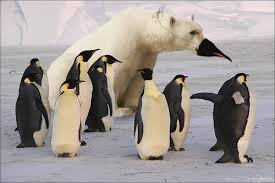
Global warming: a rising threat to penguins population
Global warming has been altering the environment for penguins for years now. As the earth warms, sea ice melts. Ocean temperatures rise, leading penguins to adapt to an ever-changing land. We are focused on a few specific penguins. They are the best and most interesting ones. One of them is my favorite.
Rockhopper penguins
Rockhopper penguins are small, tough penguins known for their bright yellow crest. They obtained their name from the way they jump from rock to rock along the shore. Cody from Surf’s Up is the same type of penguin. They live mostly on islands in the southern Atlantic and Indian Oceans. There, they hunt for small fish, squid, and krill. Yet, global warming is changing the oceans they depend on for life. As sea temperatures rise, their food moves farther away from their colonies. This means rockhopper penguins must swim longer distances to find enough to eat to survive. They also use more energy and have less time to care for their chicks. Over time, this has caused a drop in their population.

King Penguins
King penguins are the second largest penguin species. They are known for their tall bodies and bright orange markings on their heads and necks. Interestingly, the penguins from Madagascar are the same type of penguins. They live on sub-Antarctic islands. There, they breed in large colonies. They travel long distances to find fish and squid in the open ocean. Climate change has made this journey even harder by almost doubling the distance they need to travel to get food. As the water warms, the fish they rely on move farther south away from the penguins breeding areas. This forces the adults to swim farther to find food. This takes more time and energy. It can lead to fewer chicks surviving. Their breeding cycle lasts more than a year. Thus, even small environmental changes can seriously affect their ability to raise young. This impacts the king penguins’ overall survival.

Adelie Penguins
Adélie penguins are smaller, black-and-white penguins. They live only in Antarctica. These penguins are the same as the amigos from Happy Feet. They rely heavily on sea ice for nesting, feeding, and raising their chicks. Global warming is melting this ice earlier and faster each year, which disrupts their entire life cycle. In areas where the ice has disappeared, Adélie penguin colonies have shrunk or even vanished. They also face competition from Gentoo penguins. This species prefers warmer conditions. It is moving farther south as the climate warms. Adélie penguins have survived past climate changes. Yet, scientists worry about the current warming. It is happening too quickly for them to adapt in time. This puts their future at serious risk.

The icy future is at risk
Global warming is affecting penguins in many ways. Rockhopper penguins are losing food as the oceans warm. King penguins must swim farther to feed their chicks. Adélie penguins are losing the sea ice they depend on. Each species is struggling to survive in a changing climate. If temperatures keep rising, penguin populations continue to shrink. Protecting their habitats and reducing global warming can help give these penguins a better chance for the future.


 The Golden Thread
Leave a comment