
Introduction
Yu-Gi-Oh! operates under a deceptively simple premise: two players duel using cards, following a shared rulebook designed to ensure fairness, consistency, and safety. In sanctioned competitive play, every action is governed by the Official Rulebook and Tournament Policy, which outline acceptable conduct and define what constitutes cheating.
However, the Yu-Gi-Oh! anime exists in a very different space, one where narrative stakes often outweigh mechanical consistency. This list examines ten notable moments of rule breaking, both in real-world competitive play and within the anime itself, ranked by severity. Each following entry includes context for non-players, identifies the violated rules, and provides evidence for the incident.
1. Deck Stacking (IRL)
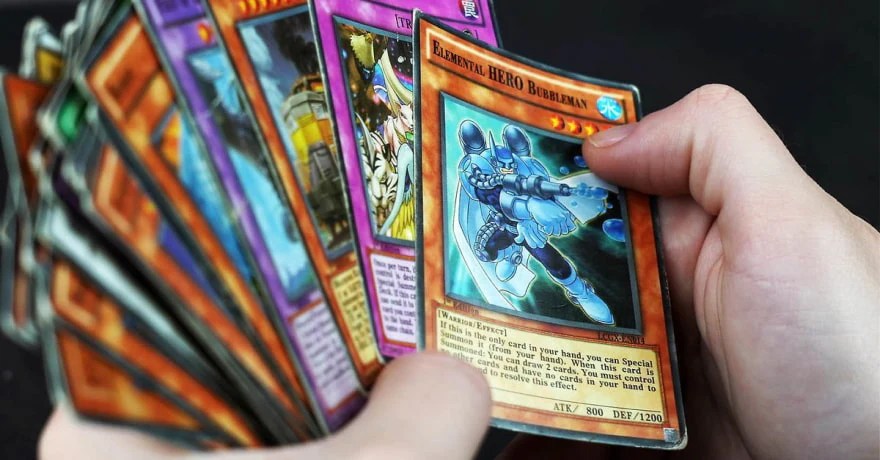
At its core, Yu-Gi-Oh is a game built on randomness. Shuffle your deck, draw your cards, pray to whatever god you believe in. Some players, however, have decided that chance is optional. Deck stacking, using sleight of hand to control where specific cards end up, has been caught on stream more than once. This includes false shuffles, controlled cuts, or conveniently placing known cards on top of the deck. One particular player, known as the previous Champion Peter Chang, was caught manipulating his cards. Not once. Not twice. Not even five times. He deck stacked a total of seven times. If you know what card you’re about to draw in a game where you’re not supposed to, you’ve basically cracked the game in half. These actions are explicitly prohibited under Unsporting Conduct – Cheating.
Evidence: Yu-Gi-Oh! Unsporting Conduct – Cheating The Downfall of the Most Notorious Yu-Gi-Oh! Cheater
This is the most “classic” form of cheating, which is why it sits at #1. It’s not flashy, it’s just very illegal.
- Tournament Policy – Cheating (Severe)
- Randomization Rules
- Manipulation of Game Materials
2. “Oops, I Drew Too Many Cards” (IRL)
Drawing extra cards, intentionally or otherwise, is one of the most common tournament infractions. This one usually shows up as an “accident.” A card sticks. A hand moves weirdly. Oops, guess I drew an extra card.
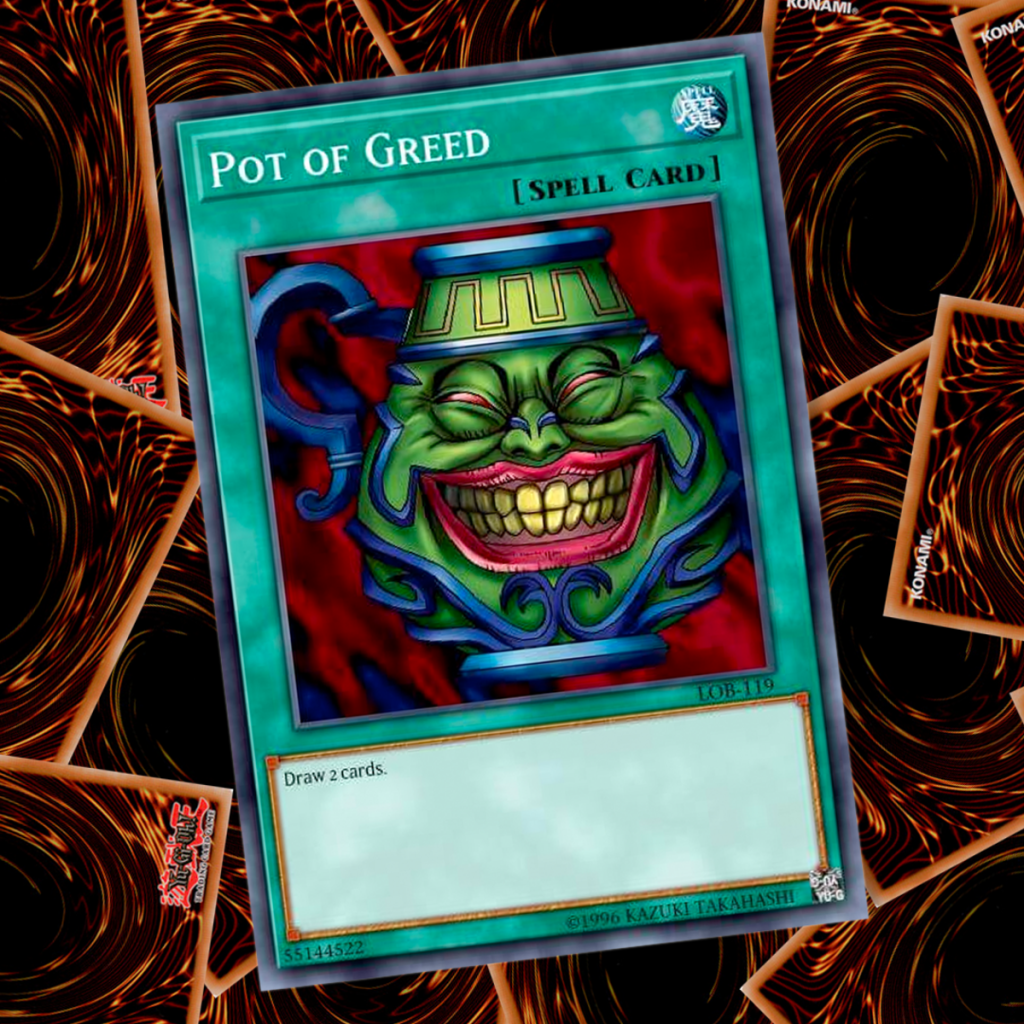
For non-players: drawing extra cards is one of the biggest possible advantages in Yu-Gi-Oh. There’s no resource system like mana, cards are the resource. Tournament policy treats this as a serious infraction because intent is hard to prove and the impact is massive. Whether “accidental” or not, it’s one of the fastest ways to turn a fair match into a very public penalty. Even a single extra card provides additional information and options, which is why this violation often results in a Game Loss. This is also why a very popular card named Pot of Greed is banned, as its effect allows you to draw 2 cards.
The one to do this however, is also Peter Chang, a Champion in not just deck stacking, but also in cheating extra cards into his hand.
Evidence: Drawing Extra Cards Policy
- Drawing Extra Cards
- Game Loss Penalty Guidelines
3. Getting “Help” From the Crowd (IRL)
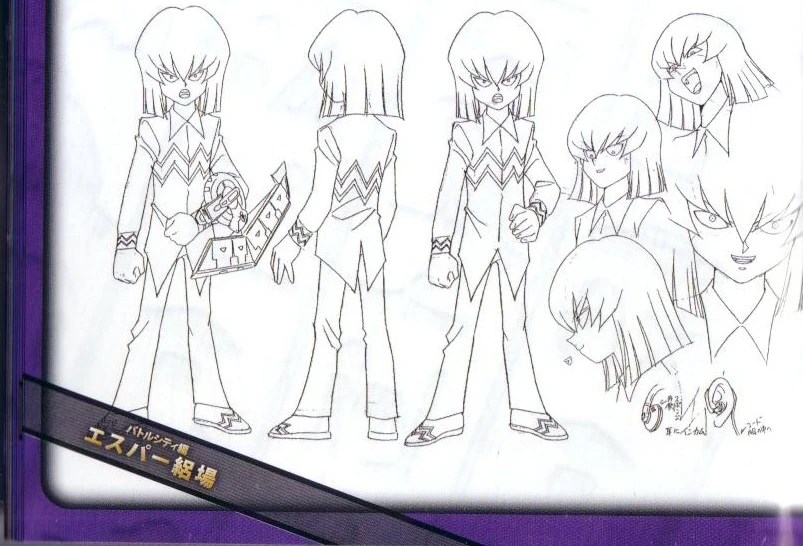
Tournament policy forbids any form of outside assistance, including spectators signaling plays or reacting in a way that conveys information. Even unintentional assistance can result in penalties. In the show, Espa Roba cheated in Yu-Gi-Oh! by using his younger brothers as spotters to spy on his opponents’ hands. Hidden nearby, the brothers would use binoculars to see the cards and relay the information to Roba via an earpiece, allowing him to falsely claim he had ESP (extrasensory perception) to predict his opponents’ moves. His opponent, Joey, realized foul play was involved when Roba confused his “Graceful Dice” card as “Skull Dice,” a mistake caused by his brothers confusing the cards while looking from a distance.
Evidence: Outside Assistance Rules
- Outside Assistance
- Communication Restrictions
4. Manifesting Cards (Anime)
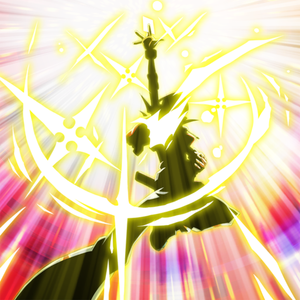
In Yu-Gi-Oh! ZEXAL, Yuma frequently performs “Shining Draws,” manifesting cards that were never registered in his deck. In real tournaments, decks must be fixed and registered ahead of time. Shining Draw is a magical power from an alien world that allowed him to rewrite his deck during the duel. This let Yuma Tsukumo to not just draw the perfect card, but literally create new cards (like Rank-Up-Magic) out of thin air to suit his needs. This is illegal.
Evidence: Yu-Gi-Oh! ZEXAL Episode Guide
- Deck Registration Rules
- Illegal Cards in Play
- Randomization Requirements
5. The Seal of Orichalcos (Anime)
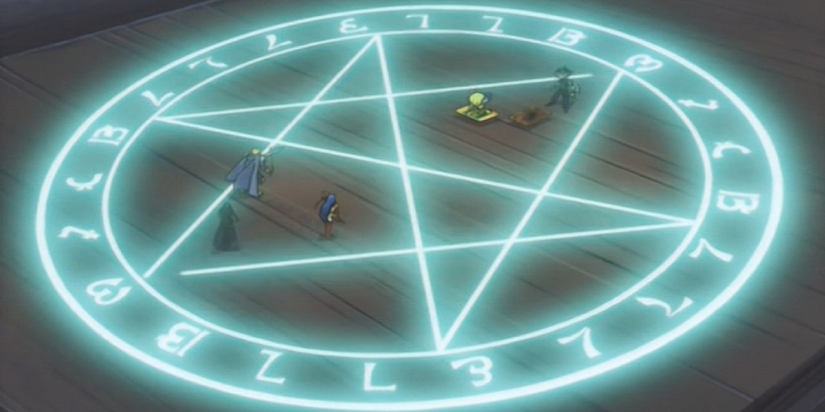
The Seal of Orichalco’s arc in the show introduces new monster zones, power boosts, and soul-stealing consequences. In the Yu-Gi-Oh! The Seal of Orichalcos was a field spell card, allowing monsters to be played in the Spell/Trap zones, making them untouchable by attacking, and it actively stole the loser’s soul. The real-world version is toned down for gameplay balance. None of these mechanics are legal under standard Yu-Gi-Oh rules. The card forces a “Shadow Game” where the loser forfeits their soul to the Great Leviathan, elevating it from a game violation to a magical, dangerous cheating mechanism. The one to play this card however, is the protagonist of Yu-Gi-Oh! Himself. Yami Yugi, who had felt cornered and tempted by the card’s dark power.
Evidence: Seal of Orichalcos Arc Episodes
- Field Spell Limitations
- Summoning Rules
- Win/Loss Conditions
6. Destroying the Moon (Anime)
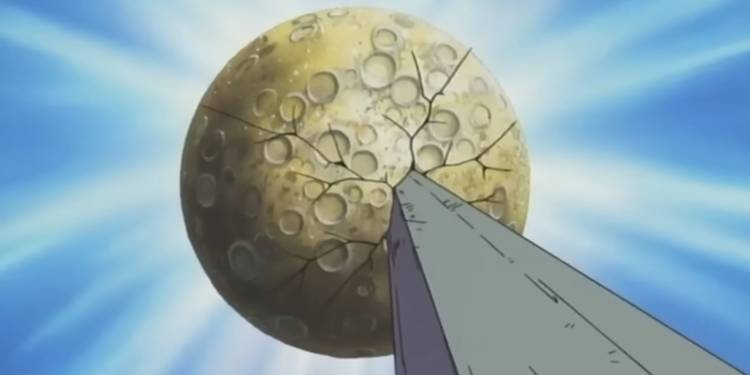
During a duel, Yami Yugi destroys the moon to negate environmental effects. While iconic, card effects must resolve exactly as written—no card allows targeting celestial bodies. He did this as he was fighting against a duelist, Mako, who had an ocean themed deck. Mako was using a “Sea” field spell card that allowed his monsters to stay hidden underwater, making them untargetable by attacks. Yami Yugi had played the Spell card Full Moon (or Mystical Moon), which increased the ATK of his monsters but also realistically raised the tide, giving Mako’s sea creatures even more room to hide. Realizing he couldn’t hit Mako’s monsters directly, Yami Yugi ordered his Giant Soldier of Stone to attack the Moon card itself. Destroying the moon caused the ocean’s tides to go out. This beached Mako’s monsters, leaving them stranded on land where they could finally be attacked and destroyed. In the actual card game, you cannot attack a Spell or Trap card with a monster. This move was only possible because early Yu-Gi-Oh! episodes often used “Dungeon Master” style logic where environmental interactions mattered more than the official rulebook. Nowadays however, this is considered cheating.
Evidence: Yu-Gi-Oh! Duel Monsters Episode Guide
- Card Resolution Rules
- Field Effect Restrictions
7. Forced Handshakes (IRL)
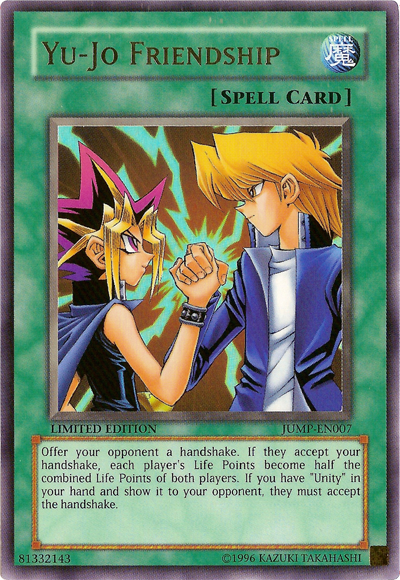
“Offer your opponent a handshake. If they accept your handshake, each player’s Life Points become half the combined Life Points of both players. If you have “Unity” in your hand and show it to your opponent, they must accept the handshake.” That is the effect of the Yu-Jo Friendship spell card. This card originally caused controversy because its effect requires a physical handshake to merge life points, which players abused by intentionally having dirty or unhygienic hands to force opponents to forfeit. To prevent this, rules were updated to accept the “concept” of a handshake. The card is largely considered a joke or casual card, and its potential for abuse led to it being banned or restricted in certain tournament formats.
Evidence: Yu-Jo Friendship Ruling Discussion
- Unsporting Conduct
- Failure to Resolve Mandatory Effects
8. DjinnGate Controversy (IRL)

Marked cards, cards identifiable while face-down, undermine the integrity of the game. Intent does not matter; if cards are distinguishable, penalties apply. During a “mirror match” (both players using the same deck type, Nekroz), Patrick Hoban proposed a “Gentleman’s Agreement” to his opponent to side out a powerful, oppressive card called Djinn Releaser of Rituals. Hoban did side out the copy from his main deck as agreed. However, he had a second copy of the card in his side deck, which he immediately swapped into his deck for the next game. His opponent, believing the card was no longer a factor, removed all their own “outs” (counter-cards) for it. Hoban then played his second copy, leaving his opponent defenseless. Tournament organizers eventually banned “Gentleman’s Agreements” entirely, classifying them as potential collusion.
Evidence: DjinnGate
- Gentleman’s Agreements
- Deck Integrity Rules
9. Threatening Your Opponent with Suicide (Anime)
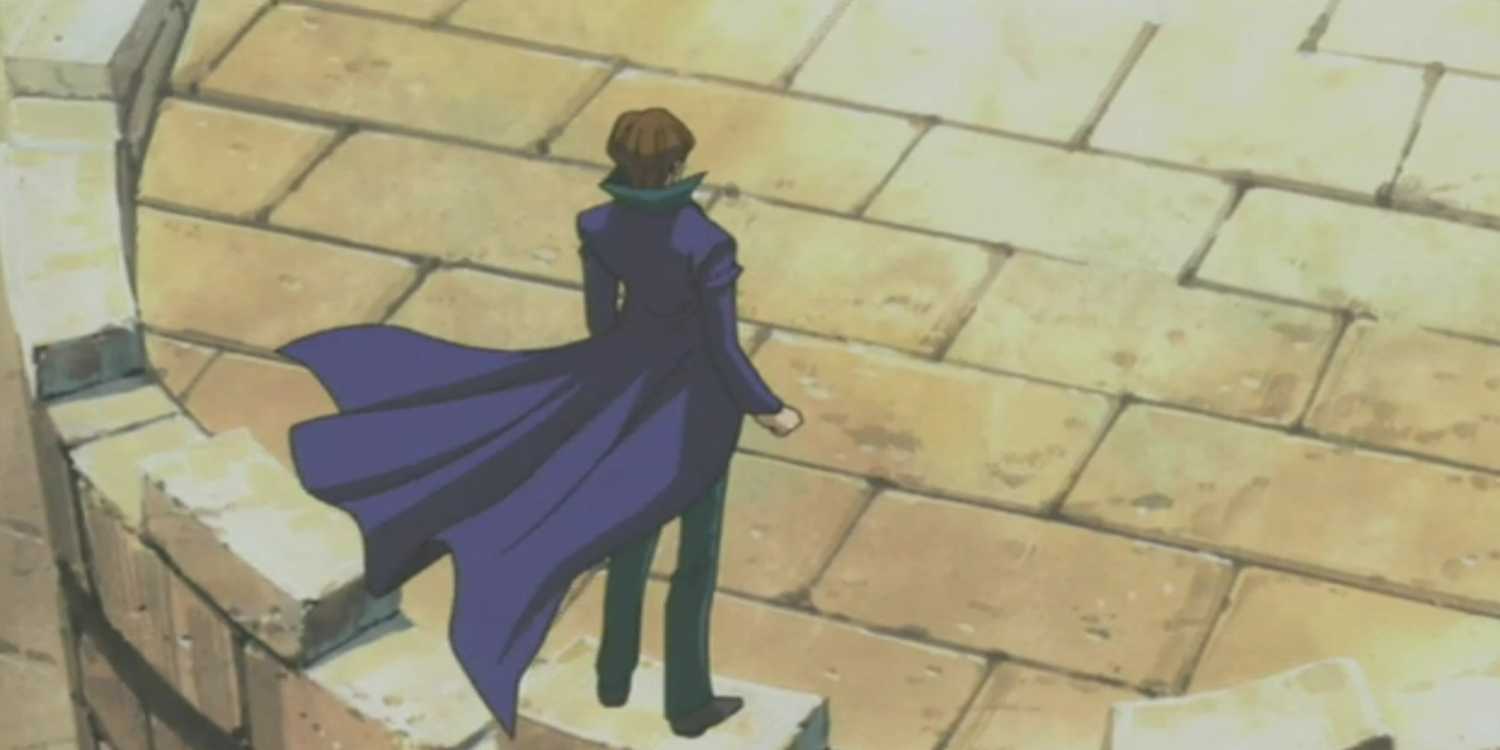
Kaiba manipulates the duel by threatening his own life, coercing his opponent emotionally. A very wealthy person, Pegasus, had kidnapped Kaiba’s little brother and stolen his soul. Kaiba believed that if he lost the duel to Yugi, he would never reach Pegasus in time to save his brother. Kaiba viewed Mokuba as his “sole reason to live”. His win-at-all-costs mentality was shaped by his abusive adoptive father, Gozaburo, who taught him that losing was equivalent to death. Kaiba won the duel and moved on to face Pegasus. While not a mechanical violation, it constitutes severe unsporting conduct.
Evidence: Battle City Arc Episodes
- Unsporting Conduct (Severe)
- Coercion of Opponent
- Psychological Manipulation
10. Committing Genocide (Anime)

During Yu-Gi-Oh! GX Season 3, Jaden becomes the Supreme King and annihilates entire populations of Duel Spirits across dimensions. The rulebook never accounted for mass extinction as a duel outcome. In Yu-Gi-Oh GX, Jaden became obsessed with finding his friend Jesse Anderson. During a duel with Brron, Mad King of Dark World, Jaden watched as his other friends (Alexis, Chazz, Hassleberry, and Atticus) were “sacrificed”. Overcome by intense guilt, anger, and hatred, Jaden’s psyche snapped. This allowed the dormant spirit of the Supreme King, his past-life incarnation, to take full control. The Supreme King convinced Jaden that being a hero had only caused suffering and that he must become evil to truly defeat the darkness. He mobilized an army to slaughter countless innocent Duel Spirits across the dimension. He burned down entire villages and executed those who resisted his rule. Committing genocide and sacrificing many lives in a children’s card game goes against the basic rule of not harming your opponents.
Evidence: Yu-Gi-Oh! GX Episode Guide
- Unsporting Conduct (Severe)
- Violation of the Game’s Core Premise
- Several International Laws
Conclusion
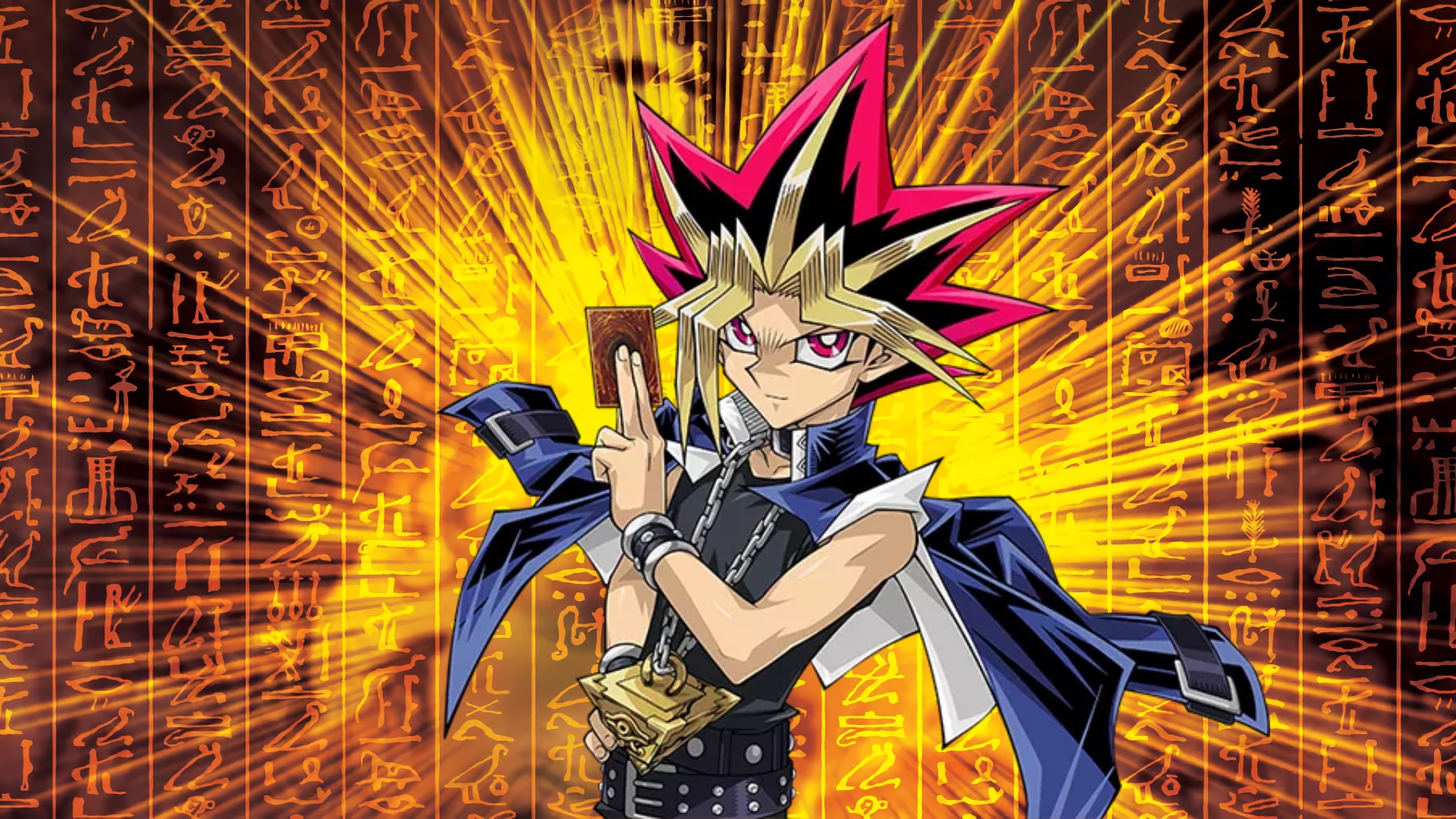
Yu-Gi-Oh! exists at the intersection of strict competitive regulation and narrative excess. While real-world rule violations result in penalties and disqualifications, anime rule breaking escalates into cosmic stakes and moral collapse. Losing a children’s card game in real life causes humiliation. In the show, you’ll lose your life and will be sent to the Shadow Realm, a place worse than Hell, and will be tortured for all eternity. These moments illustrate why rules exist, and why breaking them makes for unforgettable stories.

 The Golden Thread
Leave a comment