
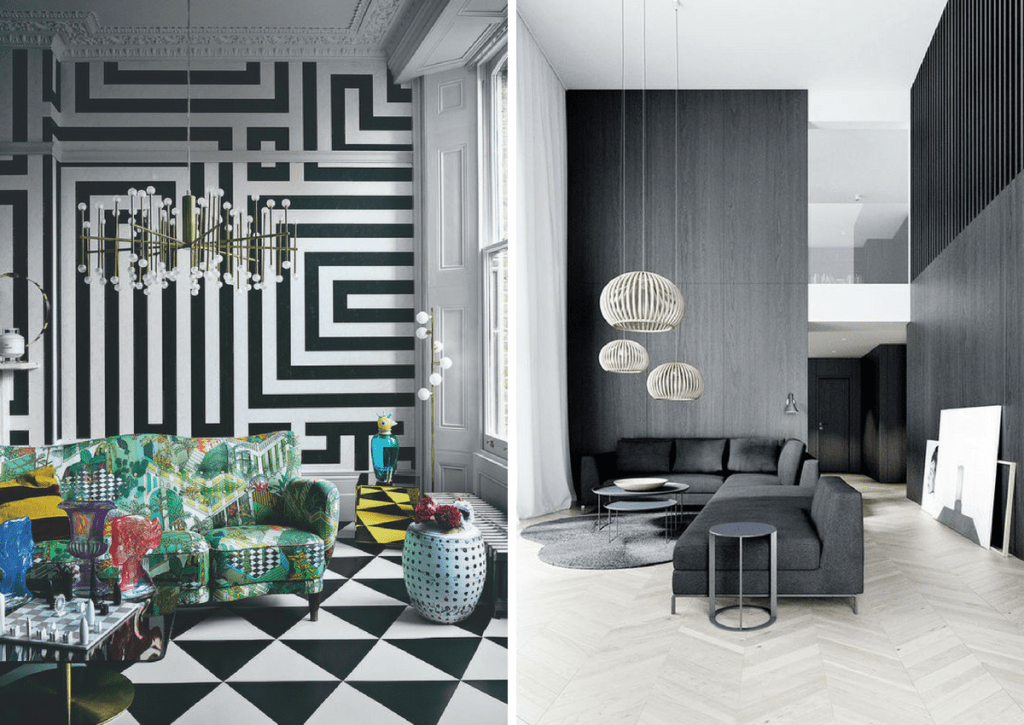
The interior of houses becoming more unobtrusive. As I continue to study more about interior design, I notice a repetitive pattern. No matter how small the detail, all of them seem to follow two core concepts: minimalism & maximalism. These two aesthetics shape how designers create visuals and space; a common foundation of modern interior trends.
Interior design includes elements and principles that are similarly found in art. Its elements include space, light, texture, color, form, and pattern. Complimented with the principles of balance, rhythm, emphasis, proportion, scale, harmony, and unity. The cohesive styles are the framework of how these elements are expressed. The components make it beneficial for designers to build functional and appealing environments.
Minimalism is the mindset focused on “living with less”. It emphasizes reducing the redundant: stress, clutter, debt, and visualizes on what adds joy and value to a structure. Neutral colors, clean lines, and open space are factors that excludes distractions and create soothing environments. Because of its practical and simple nature, minimalism is often justified as a sophisticated and most beneficial design choice.
On the other hand, maximalism embraces the philosophy that “more is more”. The style is expressive and characterized with bold colors, mixed textures, and layered patterns. The room’s personality is reflected off of person how lives inside it. Providing free will, creativity, and individuality. Rather than trapping visual elements, maximalism celebrates them.
Both aesthetics can be captivating to others depending on personal preference. There’s absolutely nothing wrong with inhabiting one of these concepts into an interior space. However, the problem lies when an individual style—*Cough* minimalism *cough*— is treated as the superior. Knowing our current environment, I can guarantee it has an illusory “noble” title; the main standard. Over the years, the increasing popularity of minimalism has made it considerably the “correct” way to design an interior space. This overshadows other unique concepts and limits the expression of creativity. Which makes minimalism feel so overrated in the terms of interior design.
I comprehend that countless people find this style helpful and calming, but the elements and principles of design deserve more. We need to extend on styles more inventive including Arts & Crafts Revival and Retro Futurism. Both have visuals opposite of another, but are particularly appealing.
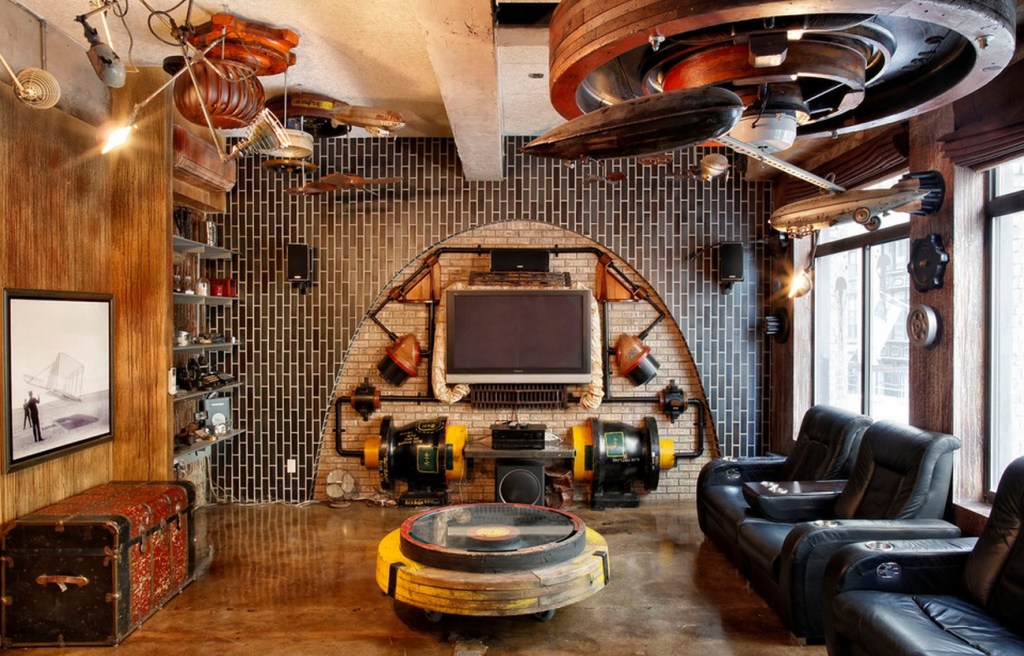
Retro Futurism is playful mix with vibrant colors and organic shapes. The aesthetic is a blend of the Space age from the 1950s and 60s. It focuses on how past generations have imagined the future.
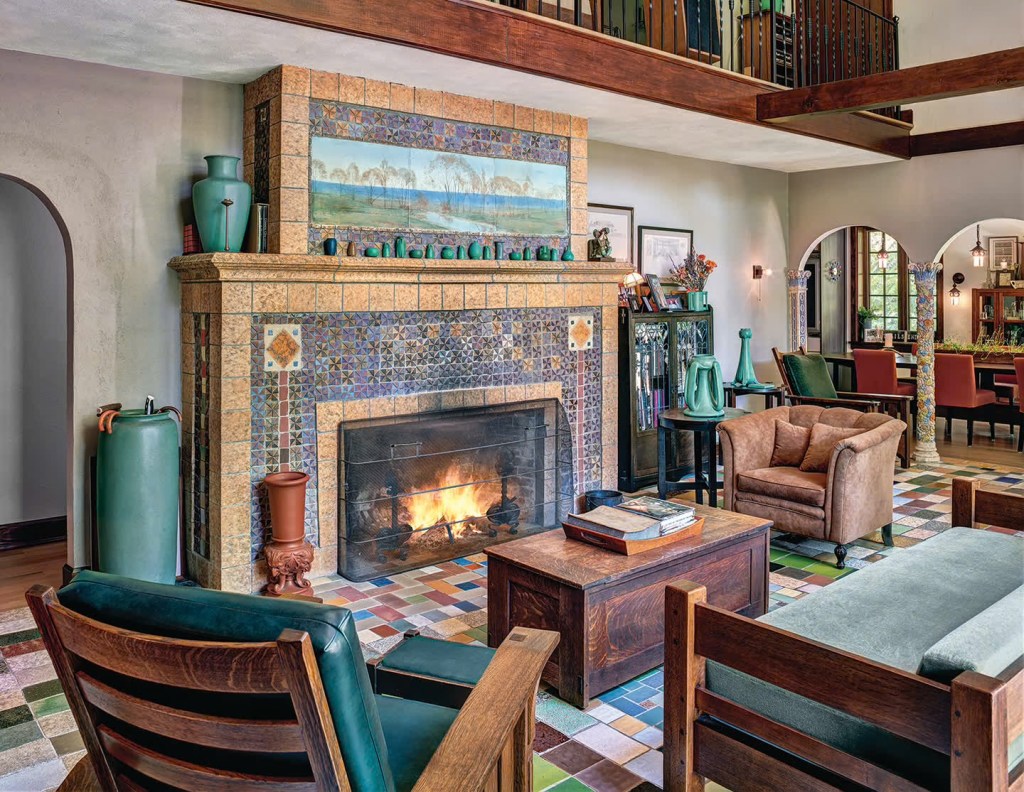
Arts & Craft Revival relates to periodic resurgences that mostly notably in the 1970s, 1990s, and today. It’s a structure of natural materials and high-quality craftsmanship.
If we find making every home look the same as “ideal”, how would that affect creativity? Yes, it would make space and living more fundamental, but the character and unparalleled concept would be forgotten. People need to understand that there is no right or wrong way to design a house. It’s YOUR preference. It’s what YOU like. Not what THEY like. Everyone should create their interiors like their idolized fantasies of living and be willing to take risks.
The view on minimalism is split. People like me believe it’s overrated and the rest see it as the perfect home structure. Although, the benefits from this concept are high, it minimizes other styles and their personalities. It’s important that we span our horizons so we are nor stuck on the same bland design. Let’s encourage imagination in homes to create more value, deeper self expression, and character.

 The Golden Thread
Leave a comment