
Fear doesn’t start with danger.
It starts with a thought.
I used to think fear was simple. Like something happens, you get scared, and then it’s over. But the more I’ve been paying attention, the more I realize it doesn’t work like that. Fear doesn’t just show up once. It builds, it changes what you do, and it stays with you after.
The first part is the feeling, and honestly, it’s not always dramatic. Sometimes it’s small, like that weird moment when you’re home alone and the house feels too quiet. I remember one night I was downstairs by myself and I heard something upstairs-like a step or something shifting. Not loud enough to be obvious, but not quiet enough to ignore. I just stood there. I didn’t move, didn’t breathe normally, just listened.
Because in that moment, your brain doesn’t stay logical.
It fills in the blanks.
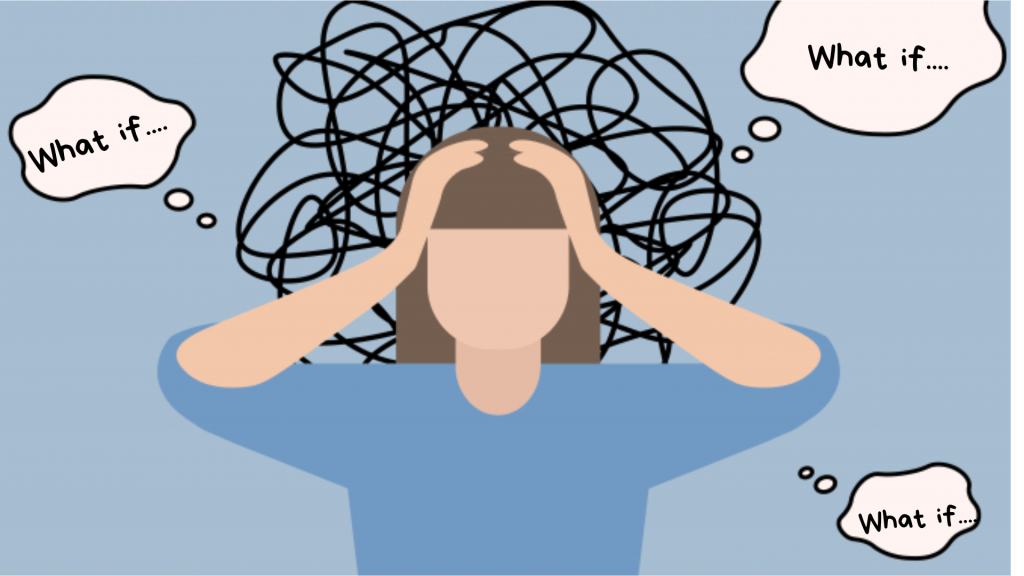
It’s probably nothing. But what if it’s not?
That’s the part people don’t talk about. Fear doesn’t always come from what’s actually happening. Sometimes it comes from what you imagine could happen, and somehow that feels just as real.
And that’s where the difference starts.
There’s real fear, and then there’s imagined fear.
Real fear protects you. It tells you when something is actually wrong, when you need to react, when you need to get out. It’s fast, direct, and usually over once the situation is handled.
Imagined fear lingers. It stretches. It builds off “what if” instead of what is. It doesn’t need proof to feel real, and sometimes it ends up being stronger than the actual situation.
Then comes what you do because of it, and this is where everything changes. Some people reach out. They turn on lights, call someone, try to make it feel less real. Even in normal situations, like when something feels off in a friendship, some people talk about it. They’d rather face it than sit with it.
But other people do the opposite.
And that’s where fear gets dangerous.
Instead of asking what’s wrong, they assume. Instead of waiting, they react. I’ve seen people push others away just because they were scared of getting hurt first. I’ve done it too-convincing yourself someone is mad at you or doesn’t care, so you act different before they even did anything. Fear doesn’t just protect you, it can mess with how you see everything.
Same feeling.
Different outcomes.
Real fear might bring people together because it’s something clear and shared. Imagined fear can push people apart because it’s based on things that were never actually said or done.
And then there’s what happens after, which I think matters the most. Because even when the moment is over, it doesn’t just disappear. That night, when I finally went upstairs, nothing was there. Everything was normal. But my heart didn’t just slow down right away. I still felt it.
And that’s the part that stays.
It’s the same with people. Sometimes you fix things, sometimes you laugh about it later, but sometimes it leaves something behind. Maybe things feel slightly off, or maybe you trust someone more because you went through something together. Either way, something changes.
And the more I think about it, the more I realize this isn’t just personal-it’s kind of how humans are wired. Fear is supposed to protect us, like an alert going off when something might be wrong. But it doesn’t just react to real danger. It reacts to uncertainty. To “what if.” To things that haven’t even happened yet.
Real danger ends.
Imagined danger repeats.
And once that alert goes off, it’s hard to turn it off right away.
Fear lingers.
Fear shapes.
Fear stays.
Fear isn’t just a moment.
It’s what you feel, what you do, and what you’re left with after.
And maybe that’s the scariest part-
sometimes the thing that changed everything was never even real.

 The Golden Thread
Leave a comment