
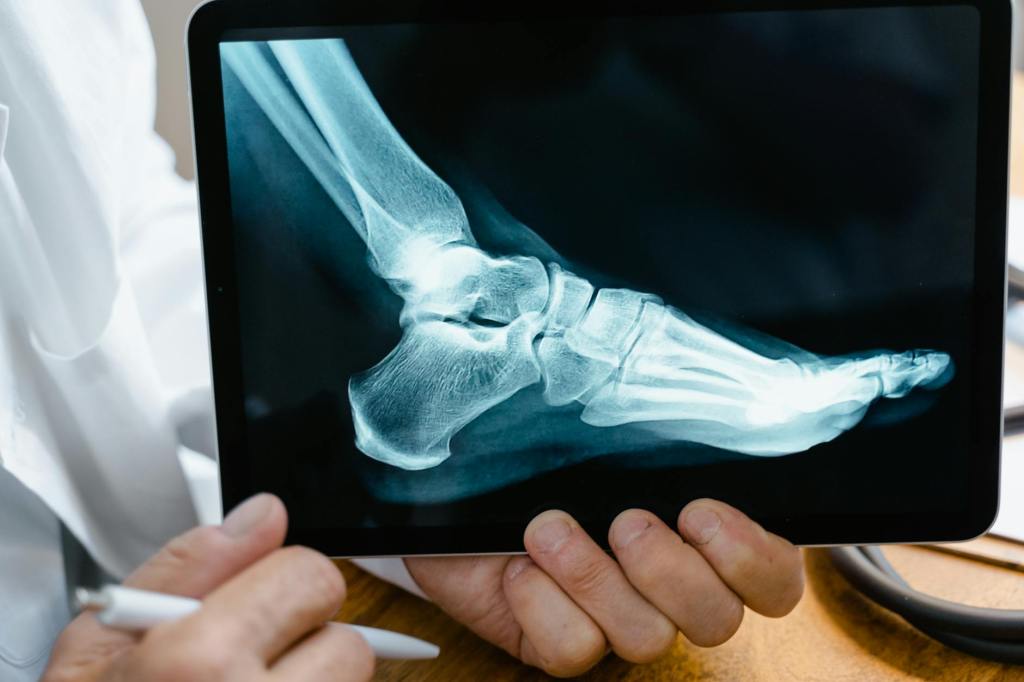
Losing a limb is a tragic event that occurs in 185,000 people’s lives yearly. A disarticulation procedure is the act of removing a dead or infected limb from the body.
While the procedure is traumatic, it is good to know some basic information about amputations and what comes with having that procedure.
Why Would an Amuptation Be Needed?
Doctors tend to avoid removing a limb since they’re so harmful, but there are several reasons someone would need to lose a limb.
The first reason is for a number of complications from a vascular disease. If the body is experiencing irreversible tissue damage surgeons have to perform a life-saving surgery to rid the body of the harmful tissue. This form of amputation is called “surgical amputation”.
An example of a disease that would warrant an amputation would be Type 2 Diabetes. This form of diabetes cuts off blood flow to parts of the limb so the limb will suffer, thus needing to be removed.
Infections, like meningitis, can cause severe fasciitis which causes soft tissue to necrotize.
Another form of amputation is notably called “trauma amputation”. According to the Johns Hopkins page on amputations, this form of amputation is experienced due to things like a car accident, industrial incident, or a combat injury. This form of amputation is what makes up 45% of amputation cases.
Surgical Side
Before surgery is considered, patients must undergo a medical examination along with environmental and psychological tests. Meeting a prosthetist and being introduced to someone who has experienced a similar amputation is also encouraged.
Of course in the event of an emergency amputation, these things can’t be considered, as you’re wanting to do what is best for the body.
While going into a disarticulation procedure, surgeons plan to preserve as much of the body as possible. Depending on whether or not the patient plans on using a prosthetic post-op, the surgeons try to make the limb comfortable with the attachment.
The road to recovery isn’t an easy one, after the surgery, patients will have to go through customized rehabilitation to ensure they can go back to as normal of a life as possible. If a prosthesis is a part of a patient’s plan, doctors will help prepare and fit them for a prosthetic.
Seeking support groups and mental health professionals is also encouraged for new amputees. Finding ways to healthily cope with the loss of a limb is crucial.
Final Thoughts
Understanding the basic information about amputation is important for patients and their loved ones. Through the types and causes of disarticulation to knowing what the recovery process looks like, being informed can help someone’s ability to recover and resume their life. While this procedure is daunting, modern technology and research offer a higher quality of life for those undergoing this procedure. Stay positive and seek help when needed.
Sources: Amputation | Johns Hopkins Medicine and Amputation | NHS Inform


 The Golden Thread
Leave a reply to micahchapmann Cancel reply