

A $5 shirt may seem like a bargain, but its true cost is far greater than what you see on the price tag. From flash sales to micro-trends, we’ve all been in stores or visited sites that practice fast fashion. And despite the facade that fast fashion holds of cheap prices and fast shipping, if you look beyond the surface, the truth unveiled is more sinister than you’d think.
Ethical Considerations in Clothing Production
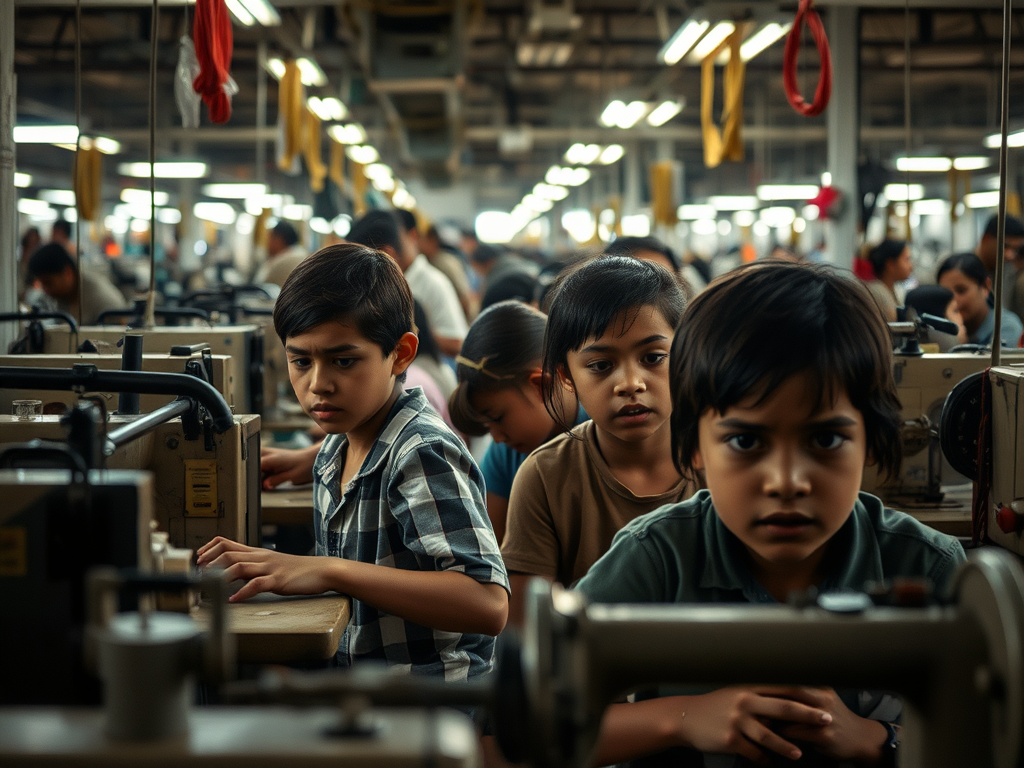
A question we should all consider when purchasing clothing is, “Where did this come from?” because the reality is, it’s probably not from your local tailor, but rather a foreign sweatshop with inhumane working conditions. These exploitative conditions don’t just affect regular workers, but also child laborers. The US Department of Labor reports that 51 countries utilize child labor in their supply chains, the majority being African and Asian countries. Child labor stems from poverty and takes a toll on both the child’s education and health, as they’re forced to work for long hours under harsh conditions.

Environmental Impact of Fast Fashion
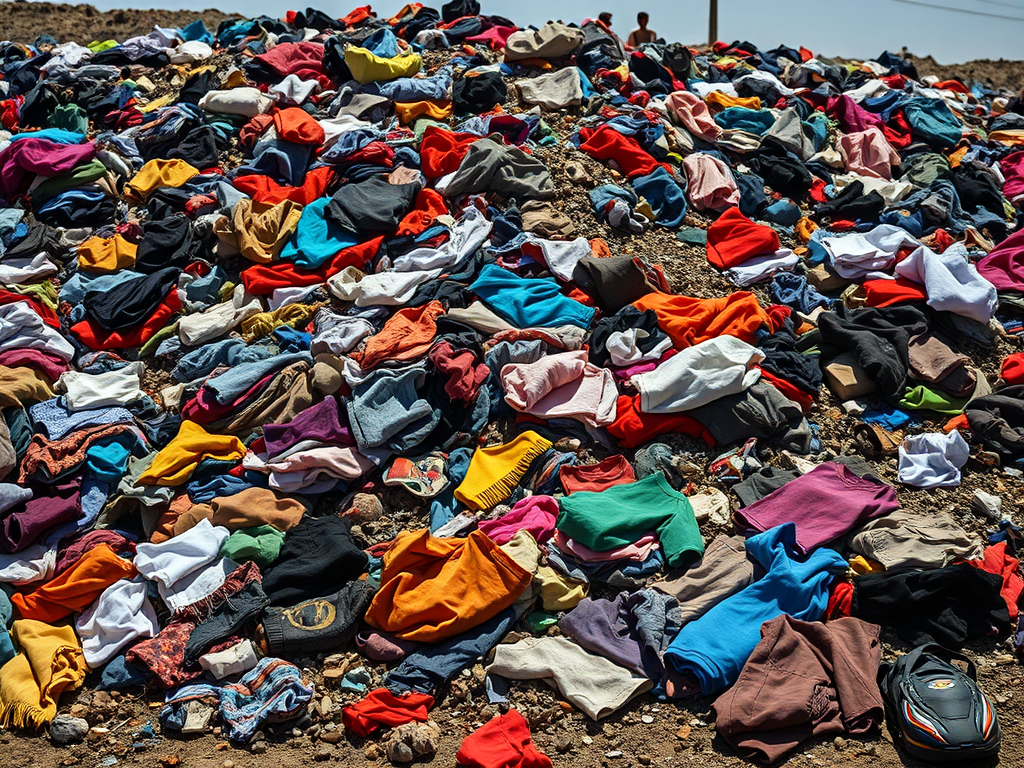
Beyond the major ethical concerns of fast fashion, there’s also the matter of environmental concerns. According to the World Wildlife Fund, it takes 2,700 liters of water to make one t-shirt; enough water to sustain a person for 900 days. Given this statistic, why are we still mass-producing clothing at such an alarming rate? The answer certainly isn’t due to need, as up to 100 billion clothes are produced each year, 12.5 times the global population. So where do these billions of clothes end up? Some are actually purchased, but the vast majority remain unsold and are ultimately discarded into landfills. In fact, 92 million tons of discarded clothing end up in landfills out of the 100 billion produced, which goes to show how wasteful fast fashion really is.
Effects of Synthetic Fabrics on the Environment
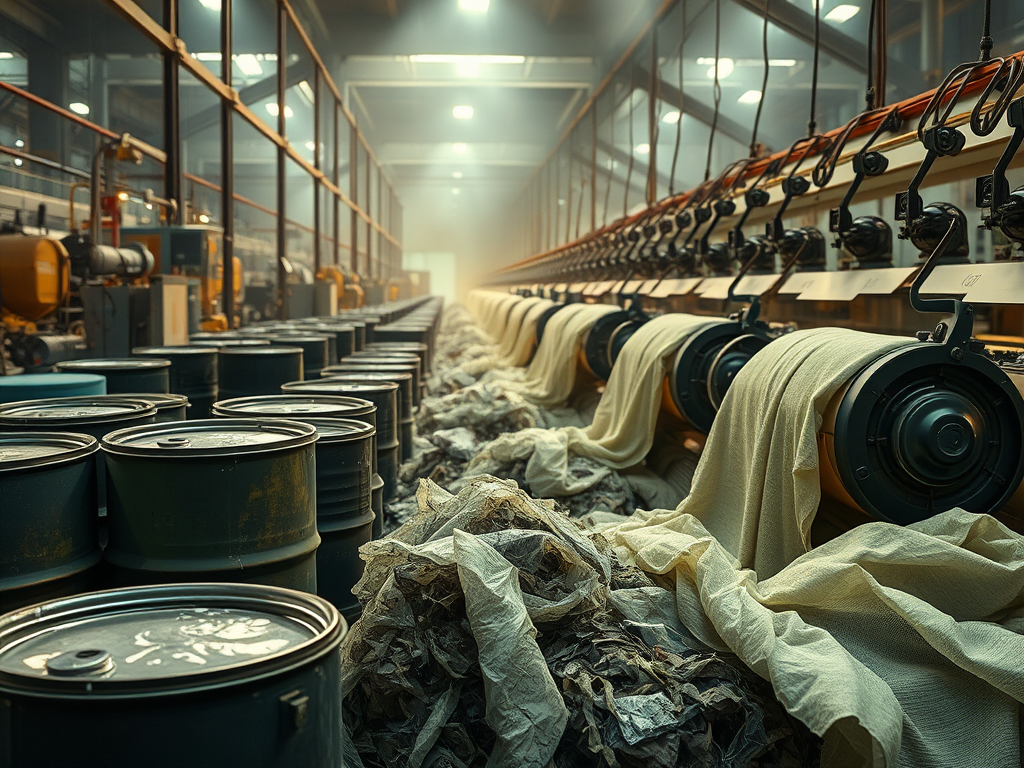
Clothing and textiles finding their way into landfills may not seem like a problem because cotton is very biodegradable. However, the reality is that most clothing isn’t made from cotton, but rather a synthetic form of plastic like polyester or nylon (this is especially true for fast-fashion brands because synthetic fabrics are a cheaper alternative to cotton). These fabrics create two considerable problems: (1) they are very difficult to break down, and (2) they are sourced from oil. If we’re producing 100 billion clothes a year, the majority of which are not made from natural fibers, but from oil, then imagine the amount of fossil fuels going towards the production of clothing. According to the NRDC, apparel and footwear production is responsible for between 4 and 8.6 percent of global greenhouse gas emissions, making the clothing industry the 3rd largest contributor to pollution. Even if your polyester shirt doesn’t end up in a landfill, each time you wash it, microplastics are emitted, which eventually make their way into our oceans. In 2021, polyester made up approximately 75% of the microplastics found in the Arctic Ocean, illuminating the true environmental cost of fast fashion.
Effective Solutions for Combatting Fast Fashion
How can we combat fast fashion? You can begin by recognizing that ads are targeting you to purchase cheap and disposable clothes, investing in clothes you will wear for a long time, avoiding short-term trends, and supporting manufacturers that use natural fabrics that don’t harm the environment.


 The Golden Thread
Leave a reply to Ms. Hibbard Cancel reply