
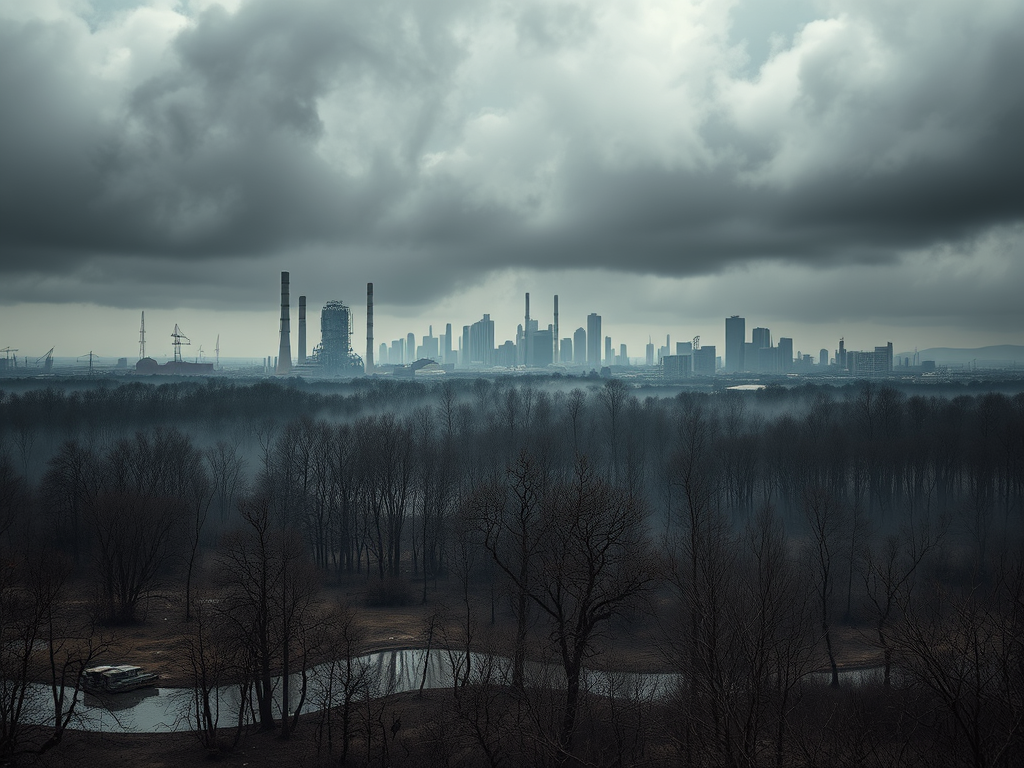
Pollution kills. The Earth is falling completely victim to human destruction; how could we do this to the only home we’ve ever had? Did you know that humans produce 4.9 pounds of solid waste per day; now multiply that by 8 billion! (https://www.epa.gov/)This shocking amount of waste accumulates in our oceans, landfills, and cities, leading to irrevocable damage to ecosystems and wildlife. Understanding how pressing the issue of pollution is to our planet and what the factors that contribute are is needed to ensuring a healthier, cleaner Earth in our future. We must acknowledge our responsibility to reduce waste, choose sustainable practices, and advocate for cleaner technologies that can help reverse the damage we have caused on our beloved planet. Only through collective action and awareness can we hope to protect our environment for future generations.
Major Effected Areas
- India- The Ganges River
- Indonesia’s Citarum River
- Manila Bay, Philippines
- Gulf of Thailand
- Nigeria
India holds a fifth of the globe’s plastic waste; the Ganges River is largely impacted by the trash from urban areas, where relentless pollution from cities leads to an alarming accumulation of plastics and other waste. This historical river, which is sacred to millions, now struggles under the burden of discarded plastics. The Citarum River, located in Indonesia, is the source of a major health crisis; known as the most polluted river in the world, it also happens to be a significant source of drinking water for many. The disgusting water is infested with harmful waste chemicals and everyday trash. Manila Bay is one of the largest contributors to polluting the ocean in the world. In Lagos, Nigeria, pollution is out of control; it is estimated that 30,000 people die each year due to the extreme pollution in the air. Change is needed.
Working Towards a Solution
There needs to be a major reduction on single-use plastics and a push for reusable and eco-friendly items that can significantly lessen our environmental footprint. Over-consumption needs to be less normalized in our daily lives, leading to a consciousness that puts sustainability over convenience. Instead of defaulting to disposable products, there should be a strong shift towards sustainable alternatives that are produced with cleaner methods and materials, ensuring that they leave a minimal impact on our planet. We should advocate for better waste management systems that not only reduce landfill waste but also promote recycling. Using renewable energy sources is crucial as well, as it can help lower our reliance on fossil fuels and lower greenhouse gas emissions. A change has to be made, and it starts with each of us living a cleaner lifestyle, making mindful choices, and committing to this journey one small step at a time for a healthier planet.
Sources: https://www.epa.gov/facts-and-figures-about-materials-waste-and-recycling/national-overview-facts-and-figures-materials https://www.downtoearth.org.in/waste/india-tops-plastic-pollution-rankings-emitting-a-fifth-of-global-plastic-waste#google_vignette https://openknowledge.worldbank.org/entities/publication/3c9b95b0-30d2-5333-bf1b-7f904a1f5e99


 The Golden Thread
Leave a reply to Ms. Hibbard Cancel reply