
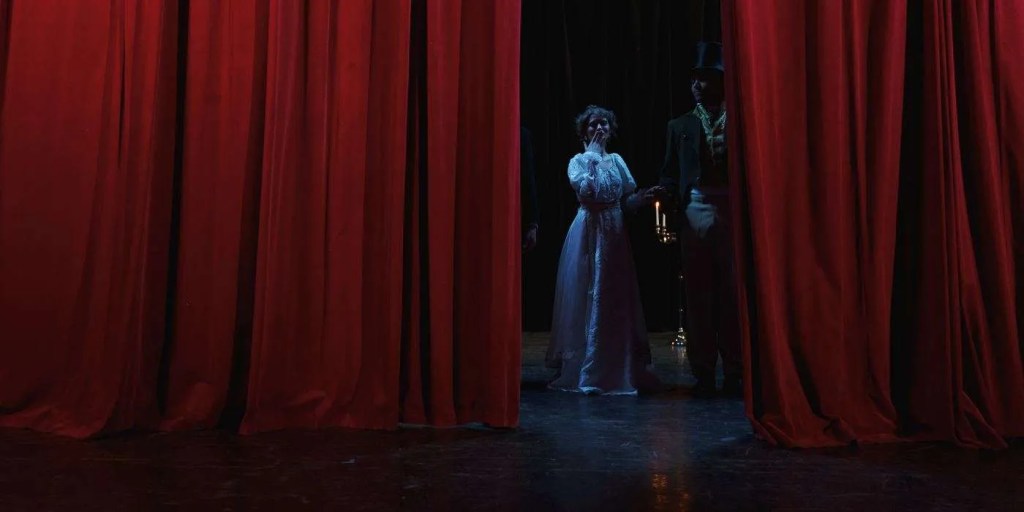
The curtain opens, and the giant ensemble sweeps out, dancing and singing. Fifty people, all working together to create, perform, and share their love for the arts. Theater is about the relationship between an audience and an actor. Without it, there’s no purpose in performance. Connecting with others while telling a story is incredibly difficult, and representation and diversity plays a major role in building that story. You cannot connect with only a certain majority in an audience. For so many years, theater has been one of the most inclusive places in entertainment history, but the work isn’t done yet.
My goal is to provide examples of diversity and inclusion done right, and where we need progression on Broadway
Theater is historically the most LGBTQ+ industry out there. Some examples of modern day representation include The Rocky Horror Picture Show and Rent among many others. The Rocky Horror Picture Show is one of the most eccentric and iconic Broadway shows ever. It was made in the early seventies, when there was a wave of conservatism in media. It includes many gender nonconforming characters and same sex couples, along with just an overall theme of fluidity. In Inside The Rocky Horror Picture Show, Scott Miller identifies the show as a story of, “surviving lost innocence, of sexual awakening, [and] about acceptance of difference.” This exactly explains the way that addressing minorities can provide positive messages for everyone. Rent includes multiple gay and lesbian relationships, along with positive messages about the sex work industry and drug usage. One of the leads is a transgender woman, and in early versions of the show there was confusion over which pronouns she used, but it was fixed in later productions. The major theme of this musical is the HIV/AIDS crisis of the 1990’s, and it shares a haunting and tragic narrative.
Now, for less of a success story, people of color haven’t always been represented accurately in theater, much like in most areas. Equality is closer in Broadway, but equity is the goal. to tell the stories of those marginalized people, instead of treating history like it was the same to everyone. However, there are still a lot of examples of the stories and opportunities for POC. For example, The Color Purple was a musical which was later adapted into a film and a movie musical. It details the story of a woman overcoming generational abuse and discrimination in rural Georgia, and has a majority African American cast. It also in many versions, and at its heart, is a story about black lesbians. Two other shows that are the biggest examples of racial diversity on the big stage are Hamilton, and West Side Story. The former is a newer musical about American revolutionary history, but its purpose was to be an entire cast of POC. This was a major step, as an incredibly diverse cast was telling a historical story, which isn’t done very often. West Side Story is a story about rival street gangs in New York, in the style of Romeo and Juliet. It features a majority Puerto Rican cast, with all of the lead roles being people of color.
So you may be thinking, what does any of this have to do with me? Well, diversity and inclusion isn’t there yet. There is always more to do to tell the stories of marginalized individuals. Nicole Brewer states that, “Anti-racist theater is not just about racism; it’s about eliminating all forms of oppression and creating authentic belonging.” In her essay about DEI in theater. This brings up a fantastic point, that diversity isn’t just about who you hire. It’s about the characters and the stories. It’s important to have gay characters who’s sexuality isn’t the only plot point. Representation is about more than just casting actors, its telling the stories of the everyday person. Not just the specific way that they are marginalized.


 The Golden Thread
Leave a reply to joyzimmer Cancel reply