
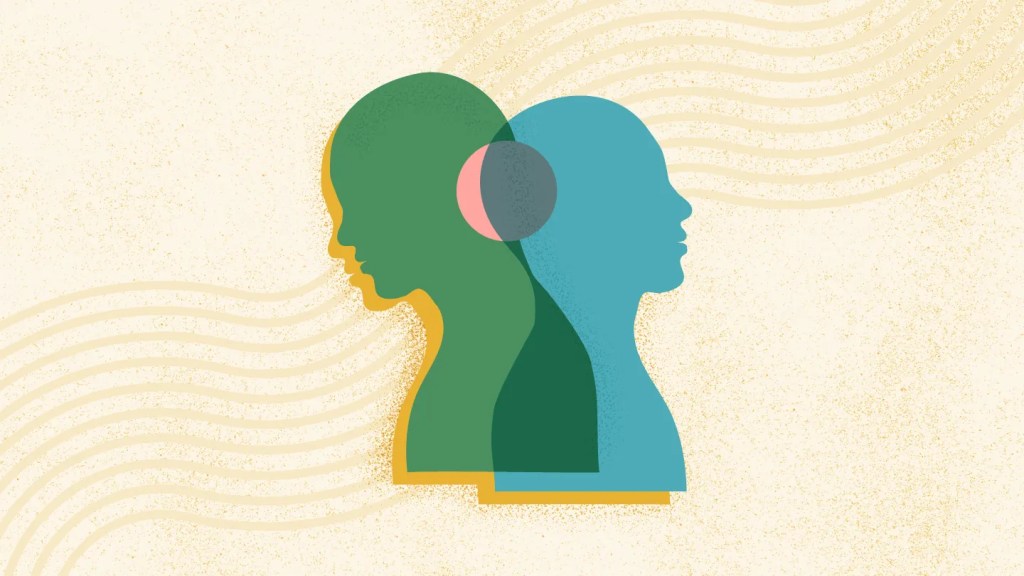
What is bipolar disorder?
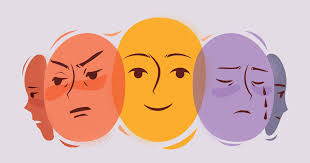
Bipolar Disorder is a mood disorder that serves drastic shifts in mood and associated behaviors. This is characterized as a mood disorder. Mood disorders involve significant disturbances in an individual’s emotional state, leading to extreme shifts in mood. These conditions are defined by the presence of either extremely high or extremely low moods.

How is Bipolar Disorder considered in the Study of Abnormal Psychology?
Abnormal Psychology is a branch of psychology that examines mental health conditions. This ties in with thoughts and behaviors that are different and are seen through these conditions that are different from norms. When it comes to the term “Abnormal” people tend to become confused by the meaning of abnormal psychology. When defining what may be considered a part of abnormal psychology, many patterns are seen. One including the “four D’s”.
- Deviance: These abnormal behaviors are patterns that differ from societal norms. Bipolar disorder is associated with abnormal behaviors such as risky sexual behaviors or compulsive spending. This is only two of many more behaviors that can be shown from individuals who have bipolar disorder.
- Distress: These abnormal behaviors may cause emotional pain or discomfort as well as significant distress.
- Dysfunction: Some of these abnormal behaviors can interfere with an individual’s ability to function throughout their day to day life. (daily dysfunction) This can also effect an individual’s mental functioning, causing significant disturbance in an individual’s cognition.
- Danger: Not only can this harm the individual, but the others around them as well these abnormal behaviors can potentially put other people at risk of harm as well.

What causes bipolar disorder?
Scientists have not discovered a single specific cause of bipolar disorder, but they believe there are certain factors that may contribute.
Genetics: The chances of developing bipolar disorder are increased in a child if the child’s parents or siblings have the disorder. Although this may be true, sometimes the role of genetics is not fully the reason. A child with the history of bipolar disorder in their family may never develop the disorder. Scientists have found that if someone has twins with this history, one may have the disorder but sometimes the other twin will not.
Stress: Sometimes a stressful event such as death, divorce, or financial problems can trigger a maniac or depressive episode. If this person does not treat their stress, they can start developing the disorder.
Brain structure and function: Although brain scans cannot diagnose bipolar disorder, scientist have found that there can be subtle differences in the average size or different brain structures in people with bipolar disorder.

What is the effect on the individual and the people around them?
The effects of bipolar disorder can impact various parts on an individual’s life along with others around them.
Effects on the individual:
For the individual experiencing bipolar disorder, the condition creates many disturbances in their emotional state creating extremely high or low moods. Along with significant distress, it can also lead to significant impairment. This can interfere with intellectual functioning or social relationships. These behaviors are also associated with much higher rates of suicide than any other psychiatric disorder.
Effects on others:
Although it may not often occur to people, bipolar disorder can significantly impact others who may not have it as well. This can affect others’social functioning as well as their relationships, whether they may have with someone who has bipolar disorder or not. In some severe cases these behaviors can lead to the harm of others.
Treatments
Luckily, bipolar disorder is treated in several ways:
- Medications: This is one of the most common ways bipolar disorder can be treated. This can include mood stabilizers, anti-psychotic medications, and sometimes antidepressants.
- Psychotherapy: This ties to the behaviors of bipolar disorder, and how to work on mental health. This can also include having family-focused therapy as well.
- Self-management strategies: These strategies include different techniques to control one’s thoughts, emotions, and behaviors. This treatment is mainly used for when early episodes of bipolar disorder are seen.
- Complementary health approaches: These approaches include diverse medical systems, practices, and products that come from outside the mainstream of medicine. This includes different “complementary” practices like yoga, herbal supplements, or art therapy for relaxation and stress reduction.


Leave a comment