
You may look at a building and think nothing much of it. If you ask someone to draw a house or a building of any kind, they usually have the same features: a simple square or rectangular outline, a door or two, and some windows. The doors are usually in the middle, and two windows accompany them, one on each side. Unless the person you asked wants to be different and draw you the most complicated house you’ve ever seen. But no matter what kind of building they sketch, they always share those same components. It’s obvious why we include doors in our buildings; we kinda need a way to get in and out. But let me ask you this: why do we include windows?
The number of answers that came to mind reminded me of the book I had to read for my literacy circles, Rope: How a bundle of twisted fibers became the backbone of society. The author goes on about how important rope was to the development of society. He explores the wide variety of rope’s usefulness and how it was implemented in almost every aspect of people’s lives. People used it to catch fish, to make weapons like bows and slingshots, and even used it in special ceremonies like weddings. But eventually, just like many other things in life, “rope’s ubiquity” made it seem like nothing special; Queeny addresses how rope, “disappeared into the background”. That got me thinking, what else was necessary in the daily lives of people that we no longer bat an eye at?
A lot of things, actually. Windows were one of the many things that caught my eye. Not because they stood out to me on their own, but because the sun shone right in my eyes one day during Mr. Brewer’s class. I thought about how we didn’t need all that extra light since there were so many lamps around us. That led me to think about how we used to need windows in order to see inside buildings, and since sunlight was our only source of lighting that wasn’t a fire hazard, they were a necessity. Nowadays we really only use windows to look outside. Sometimes we use them to air out a room after a horrible baking attempt. Other than that, they aren’t especially necessary for what we used to need them for, but they’re still important. We just don’t give them as much credit as they should receive.
We don’t give a lot of things much thought or credit because there is always something to distract us, like how Rebecca Solnit pointed out in her book, WanderLust, productivity and faster paced lives made us forget the art of doing nothing. She argues that we aren’t given the chance to think because modern life is moving so quickly compared to our minds: “I like walking because it is slow, and I suspect that the mind, like the feet, works at about three miles an hour. If this is so, then modern life is moving faster than the speed of thought, or thoughtfulness.” I fully agree with her. Many people don’t think about their surroundings or how often they overlook the everyday things they use. We really should give more things value.
Including things that wouldn’t cause the end of the world if they were missing, but make everyday life a little better.
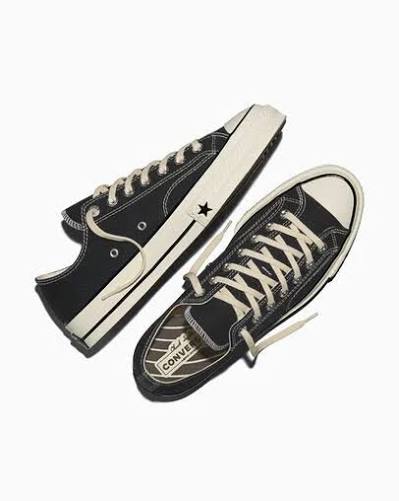
Did you know that little piece of plastic or metal at the end of your shoelace is called an aglet? Life wouldn’t be horrible if you didn’t have it, but the ends of your shoelaces would’ve given up a long time ago. It happened to my favorite shoes once; the aglet fell off the right side of one of the laces, and it turned into a stringy disaster that made the laces impossible to tie properly. I’ve appreciated them ever since. Life is pretty neat when you pay attention to it. Next time you’re hanging around your room and scrolling, take some time to notice the little things. They might make you a little bit happier.


Leave a Reply