
When I started this blog, I was a 15-year-old gay boy living in Carrollton, Georgia. I hadn’t won some of the awards that I now have; I hadn’t given my new speech or created the artwork that could’ve been the deciding factor that named me a state nominee in something that I had been working towards. Now, I sit and write as a 16-year-old gay boy living in Carrollton, Georgia. Has much changed? To anyone and everyone who is not myself. No. Yet to me, an author for this, but an artist, an activist, an uncle, a brother, a son, a student, a friend, a best friend, a laugher, a lover, a hugger, and a life-r. I am no longer the same. I will never be the same age and experience the same things I did.
It sounds silly, yet it’s hard to fully sit with.
I think ‘The Sha La Das’ said it best in their hit song “Those Years Are Over.”
————————————————————————————————————————————————————
When we were young and were both in school
. . .
Each of us carried a separate load
Making the best of the daily grind
Worry and stress always on our mind
. . .
Each chapter has its own share of pain
Despite it all I would do it again
’Cause those years are over (those years are over)
. . .
We’re all getting older
Yes, those years are over
————————————————————————————————————————————————————
Hearing this whilst I am still in school but nearing the end and reminiscing on everything is bittersweet, strange, and very confusing because it makes you question:
A.) Your next chapter in a book that you know has an end.
As well as
B.) The significance of everything you do in every single chapter, on every page and every single line that you, supposedly, write, unless you believe in the whole ‘everything is predestined,’ BUT THAT’S A–WHOLEEEE–NOTHER BLOG
There comes a time in everyone’s life when they hear the phrase, “What’s the meaning of life?”
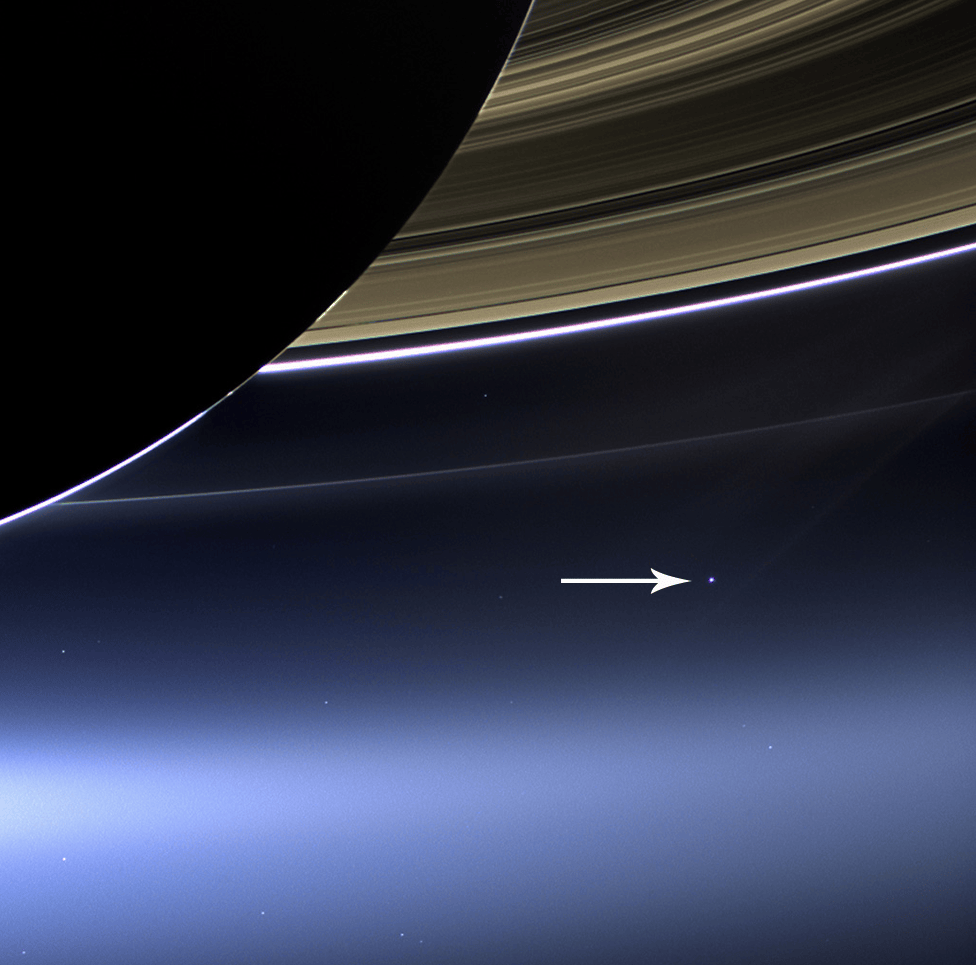
Or perhaps you’re a small French girl living on the outskirts of Colmar asking “Quel est le sens de la vie ?” A Dutch boy pondering “Was ist der Sinn des Lebens?” Or maybe you are a stressed teenager in Kyoto writing in your journal, “人生の意味は何ですか ?” Wherever you are on this “Pale Blue Dot” in the vast cosmic wasteland of a universe, we ask the question. We think about it. We feel it. We, as the human race, experience it (life, btw; I’m still talking about life)
But this isn’t an original thought. People have discussed, inscribed, and contemplated this since the beginning of time—philosophers, artists, scribes, pastors, rabbis, and authors like Rebecca Solnit, Carl Sagan, and so many more who have existed on this planet. Not to mention the ones that have yet to mark the world with their mental advancements that seem unique, yet in all actuality had been thought up previously by a benign toddler.
In Rebecca Solnit’s Wanderlust: A History of Walking, she analyzes the art of walking and its purpose in a pedestrian’s everyday life. And who are we all if not pedestrians walking on the sidewalk of life, the journey being ephemeral and the destination changing day-to-day?
“Walking is one way of maintaining a bulwark against this erosion of the mind, the body, the landscape, and the city, and every walker is a guard on patrol to protect the ineffable.”
Declaring that every walker has a greater purpose to protect something so important that words can’t articulate its importance is a bold claim. Perhaps that is our purpose in life: to walk and fight against this erosion of self and environment. Because, after all, who are we without the thoughts we have, the body in which we feel things, the landscape we live amongst, and the city we go to?
Maybe we are nothing.
As Carl Sagan, the author of “Pale Blue Dot,” put it, “The Earth is a very small stage in a vast cosmic arena. Think of the rivers of blood spilled by all those generals and emperors so that, in glory and triumph, they could become the momentary masters of a fraction of a dot.”
Momentary, masters…
Of a fraction of a dot.
He then articulates even further into our absolute meaninglessness. And manages to paint the conclusion that, if nothing we can do makes any real impact in any significant way, then we must just choose to be kind.
So that’s it. We’ve once again solved the reason we’re here. Not to guard the ineffable but to be kind because in reality, everything we do, no matter what we manage to conquer, we would only be–at our greatest and most powerful–” momentary masters of a fraction of a dot”
You know, words have a funny way of coming together. “You must fight to live, not die,” is a classic battle cry. But flip it to, “You must die to live, not fight,” the meaning shifts entirely. It moves from a physical struggle for survival to a spiritual truth: that real peace comes from surrendering the ego, not from endless conflict.
Now this may be obvious and an unnecessary inclusion in the context of this writing, but I don’t think it is.
Because, just like how Rebecca Solnit tackles the importance of walking to protect the ineffable as well as fighting against the deterioration of oneself and the environment within the context of what is all-encompassing. Carl Sagan takes a different, unique approach after finding the photograph of Earth in which we are 0.12 of a single pixel inside a 640,000-pixel canvas. He argues that, due to our lack of real significance, we should prioritize kindness: if we can’t make any real change, might as well not be evil. Both make profound observations on the life we all share.
But at the end of the day, does any of it really matter?
I think that’s for you to decide after reading all about The Significance of the Insignificance of Our Lives.


Leave a Reply