
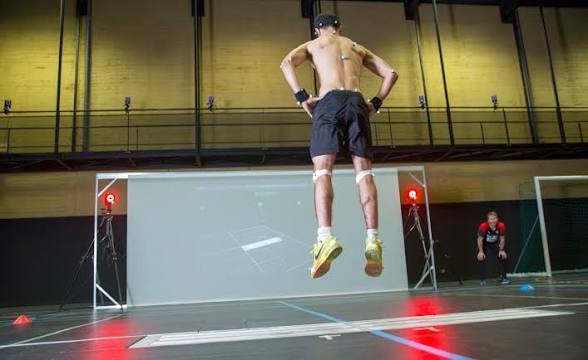
Getting injured is one of the worst parts of playing football. You go from practicing every day and competing on Friday nights to being stuck in rehab, doing the same exercises over and over. I know from experience that recovery isn’t just physical, it messes with your mindset too. That’s why I think it’s really interesting how new technology like Augmented Reality (AR) and Virtual Reality (VR) is starting to change sports medicine.
AR is probably the easier one to understand because it keeps you in the real world. It basically adds digital visuals on top of what you’re already seeing. In rehab, that can actually help a lot. Instead of just hoping you’re doing an exercise right, AR can show you exactly what your movement should look like while you’re doing it. So if you’re working on something like a squat or a lunge after a leg injury, you can see the correct form right in front of you. It’s almost like having a coach watching every rep and correcting you instantly. I think that’s huge because one small mistake in form can slow your recovery or even cause another injury.
VR is a little different because it takes you out of the real world completely. When you put on a headset, you’re in a whole new environment. At first, it sounds more like a video game than rehab, but it actually has some big benefits. One of the hardest parts about coming back from an injury is trusting your body again. With VR, athletes can go through game-like situations without actually being in a real game. That helps rebuild confidence before stepping back on the field. It can also help distract you from pain during rehab, which makes the process a little easier to handle mentally.
Even though AR and VR work in different ways, they both make recovery more engaging. Rehab can get really repetitive, and it’s easy to lose motivation when you don’t feel like you’re making progress. These technologies make it more interactive and give you feedback, so you can actually see improvement over time. That can push athletes to stay consistent, which is one of the most important parts of getting better.
There are also some differences in how practical they are. AR is usually easier to use because it doesn’t require a lot of equipment, and you can use it almost anywhere. It’s really useful for improving real-world movement and making sure your technique is right. VR takes more setup and equipment, but it’s better for mental recovery and building confidence because of how immersive it is.
Overall, I think both AR and VR have a place in sports medicine. As a football player, I know how tough injuries can be, and anything that helps you come back faster and stronger is worth it. AR helps fix your movement and keeps you sharp physically, while VR helps you get your confidence back and stay mentally locked in. Together, they’re changing recovery from just getting healed to actually getting better than before.


Leave a comment