
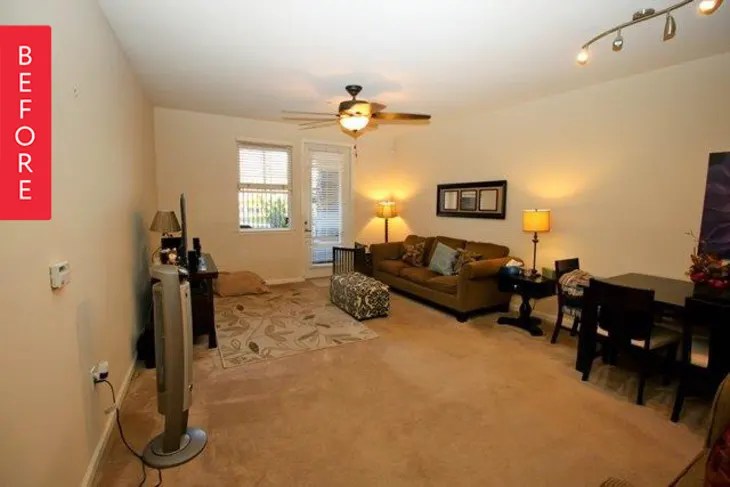
Are there certain areas of your living space that feel unappealing? Do you ever look at your bedroom, living room, or even your basement and think, “How can I make this aesthetic?”
Well, great news. I’m an interior designer in learning, and I’m here to share simple concepts that can help transform a space. No, this won’t officially make you an interior designer — but you will gain the kind of knowledge designers use when improving interiors.
Now let’s discuss the “what” and “how” of this situation:
“What makes this room feel so unappealing, and how can I improve it?”
Some people might say:
- “Maybe I arranged everything wrong.”
- “Maybe there’s too much clashing in one space.”
- “Maybe I just suck at decorating.”
And honestly, all of those could be possible. But what if the answer is more artistic than you think?
Interior design is heavily connected to art. In fact, many of the elements and principles of interior design are directly inspired by the elements and principles of art itself.
Take a look:
The Elements and Principles of Art
Elements
- Line
- Shape
- Form
- Space
- Value
- Color
- Texture
Principles
- Balance
- Emphasis
- Movement
- Proportion
- Rhythm
- Unity
- Variety
VS.
The Elements and Principles of Interior Design
Elements
- Space
- Line
- Form
- Light
- Color
- Texture
- Pattern
Principles
- Balance
- Unity
- Rhythm
- Emphasis
- Contrast
- Scale/Proportion
- Details
Art is everywhere. Remember that.
Think back to elementary or middle school art class. Whether you liked it or not, most of us have taken one. If you were painting, drawing, or even coloring random scribbles on a blank sheet of paper — congratulations, that was art.
Now think about this concept:
The Blank Canvas and the Painter
- You = the painter
- Your room = the blank canvas
When staring at a blank canvas, the hardest part is usually figuring out where to begin. The same thing happens when redesigning a room. You look around the space, and suddenly your mind feels empty except for one question:
“How do I start?”
Before you start decorating, you first need a vision. Ask yourself:
- What do I want this space to feel like?
- What aesthetic do I want?
- Modern?
- Indie?
- Coquette?
- Minimalist?
- Vintage?
Without a clear direction, your “canvas” may stay blank for a while.
Once you understand the aesthetic you want, you can begin thinking about the space itself — which is one of the most important elements of interior design.
Space: the foundation of every canvas, but it has its positives and negatives
- Positive space → where furniture and decor are placed
- Negative space → the empty areas that keep a canvas from feeling overwhelmed
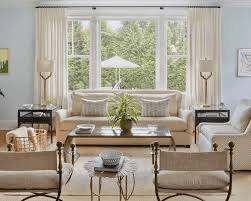
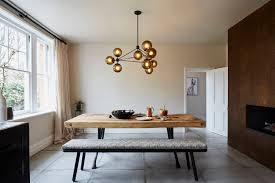
Then slowly move into
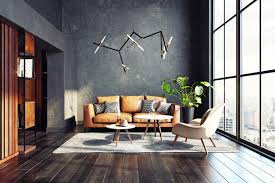
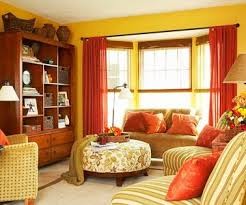
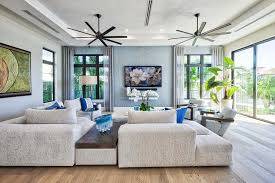
Color: changes the mood of a space.
- Light colors make rooms feel bigger and brighter
- Dark colors make spaces feel cozy and dramatic
- Warm colors (reds, oranges, yellows) feel energetic
- Cool colors (blues, greens) feel calm
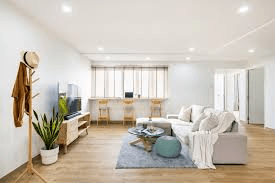
Then
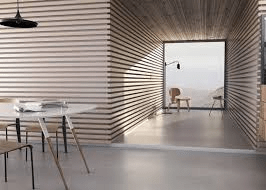
Line: Captivates the eyes and shapes the feeling of a canvas.
- Horizontal lines → calm and stable
- Vertical lines → tall and elegant
- Curved lines → soft and welcoming
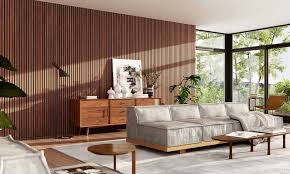
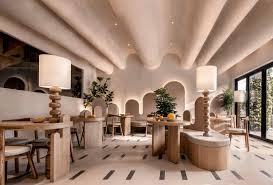
Just flow
Texture: makes a canvas feel layered and interesting.
There are two types:
- Visual texture → what something looks like
- Physical texture → what something feels like
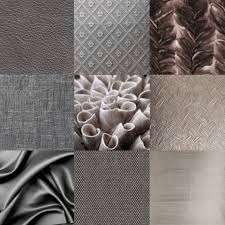
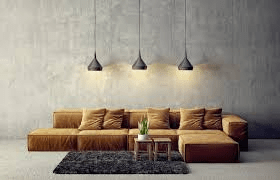
Lighting: affects both function and atmosphere.
The main types-
- Ambient lighting → overall room lighting
- Task lighting → for reading, cooking, working
- Accent lighting → highlights décor or creates mood
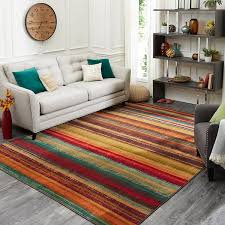
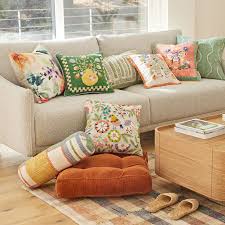
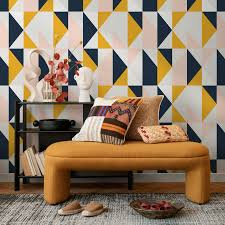
Pattern: adds personality and movement.
Think of:
- Striped rugs
- Floral pillows
- Geometric wallpaper.
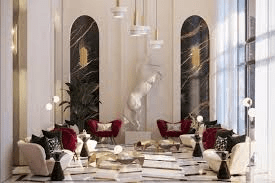
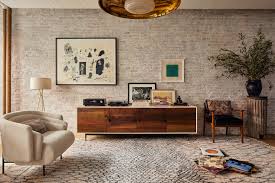
Balance: makes a room feel visually stable.
Includes:
- Symmetrical → matching on both sides
- Asymmetrical → different objects with equal visual weight
.
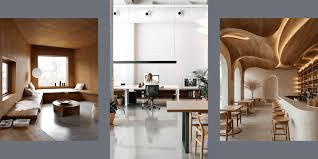
Rhythm: creates movement and guides the eye around a room.
It’s made through:
- Repetition
- Patterns
- Gradual changes
- Consistent colors or shapes
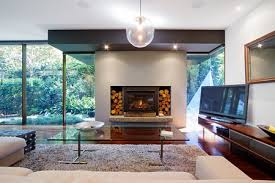
Emphasis:creates a focal point — the first thing people notice.
Common points:
- Fireplace
- Artwork
- Large window
- Statement lighting
- Accent wall
Contrast: adds visual interest by mixing opposites.
Examples:
- Light and dark
- Rough and smooth textures
- Modern and vintage furniture
- Curved and straight lines
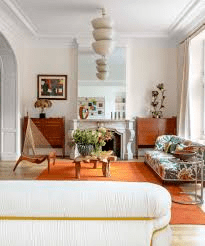
Without contrast, rooms can feel flat or boring.
Unity & Harmony
- Unity means everything in the room feels connected.
- Harmony happens when colors, furniture, materials, and décor work together without clashing.
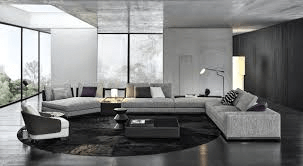
Scale & Proportion
This is about how objects relate to:
- The room size
- Each other
- Human size
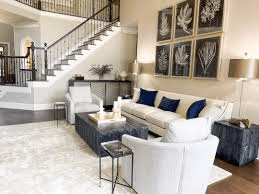
Do you feel like a professional now? Of course not and that’s okay! Like I said, I’m learning about this topic. I didn’t remember most of this by heart and I’m not expecting you to either. Just understand, you’re the painter and your room is the canvas. It’s a space of freedom, but if you don’t know how to begin, these elements and principles will guide you. So don’t stay lost forever, just let things flow as they come to you.


Leave a comment