
Everybody on the plantation had their own job and roles to do. Some people worked on the fields some worked in the house. Some even babysat and watched their masters kids. Furthermore, some cooked and clean for the family.
Shades
You would think we were divided enough. No we were seperated even more. Lighter shades of black people worked more so inside the house. Why is that so you may ask. The lighter you were the closer you were to white. You would think we were divided enough. No we were seperated even more. Lighter shades of black people worked more so inside the house. Why is that so you may ask. The lighter you were the closer you were to white. Darker shades of black people worked outisde and did all the dirty work.

Jobs
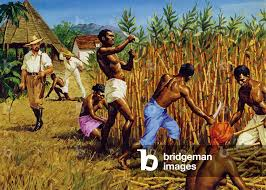
Enslaved people performed grueling, sunrise-to-sunset labor, primarily in agriculture (planting, hoeing, harvesting crops like cotton and sugar) and domestic service. Work included skilled trades (blacksmithing, carpentry), heavy labor (building roads, clearing land), and high-mortality jobs in boiling houses. Children worked from ages 5-7, while others worked in house service, childcare, or as cooks. other jobs were skilled laborers working as house servants, barrel makers, cooks, dairy maids, gardeners, millers, distillers, seamstresses, shoemakers, spinners, knitters, ditch diggers, wagon drivers, or postillions driving the carriage.
Health
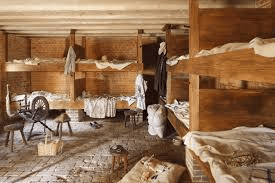
Enslaved people in the United States suffered from poor health due to extreme labor, chronic malnutrition, and unsanitary living conditions, leading to high mortality rates. They experienced widespread diseases, including tuberculosis, pneumonia, and intestinal parasites, alongside malnutrition-related illnesses like scurvy. Poor sanitation caused high infant mortality and frequent infections


Leave a comment