
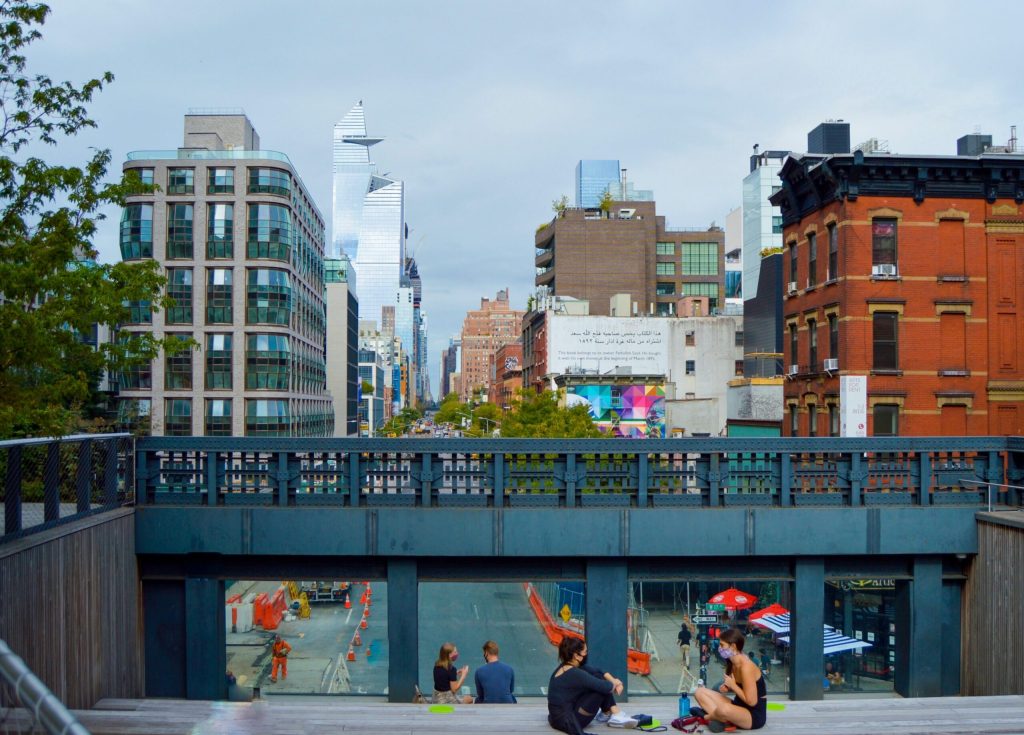
How often do you walk around downtown and think about why a building was created, how it makes an impact today, and how it will continue to impact the future? If you’re anything like the majority of humans in today’s world, then the answer is probably not often. Most of us probably are focused on where we’re headed or on the task at hand. We pass through the spaces we see every day and think nothing of them.
The spaces around us affect our daily lives much more than we truly realize. The way our communities are designed will influence our actions in how we interact with others, how we experience the environment, and even how we are connected to the world around us.
It’s astonishing to think about the fact that humans are creators of so many worldly things, but at the same time their lives are largely impacted by their own creations. Jane Jacobs, author of The Death and Life of Great American Cities, likes to focus her attention on the importance of cities and downtown areas and how people tend to view those areas. She writes, “The cities of human beings are as natural, being a product of one form of nature” (Jacobs 359). The main point in saying this is to point out that cities are not separate from nature, but are a result of humans and the way they live. Instead of walking in a downtown area with one sole purpose of reaching our destination, realize that cities are a part of our living environment, and acknowledge how different spaces influence our lives and how we as humans relate to these spaces.
Rebecca Solnit further builds on similar ideas in Wanderlust by clarifying the idea that walking allows us to experience our surroundings in various ways that would be overlooked by many of us fast-paced Americans just looking for our destination. Solnit says, “One lives in the world rather than in interiors built up against it.” She is essentially saying that when humans walk, they experience everything in between their destinations, not just moving from one place to another mindlessly. It makes you realize how much of the world humans don’t acknowledge in their day-to-day life, even if they walk by it every day.
Before reading Solnit’s Wanderlust, I never saw how much of the world is overlooked in my everyday life, and now it’s clear that the journey and being able to slow down is just as important in understanding the spaces you live in. Whether it’s going to school, practice, or home, we hardly even recognize the people, buildings, and spaces that surround us. By walking, humans have the opportunity to stop and slow down. To experience their everyday communities in a new way.
Recently, I went to Six Flags, and the first thing I noticed was the colorful design of the park. The placement of rides, buildings, walkways, and pavilions creates an exciting environment that influences how visitors move around. When walkways get crowded, it gets difficult for people to slow down and appreciate the surroundings because all people are focused on is getting to the ride. It forces me to think about how cities use similar designs with walkways and public gathering spaces, which can encourage more people to walk and connect with others. Six Flags shows Solnit’s idea that sometimes slowing down and enjoying the journey is as important as getting to the destination.
Many times it’s the things we overlook that have the biggest impacts on our lives. In the same way, the spaces we live in and see every day find ways to influence our thinking, our decision-making, and our interactions with others. Sometimes the most beneficial option might not be to get to your destination as fast as possible, but to slow down and appreciate the design of the spaces around you.


Leave a Reply