
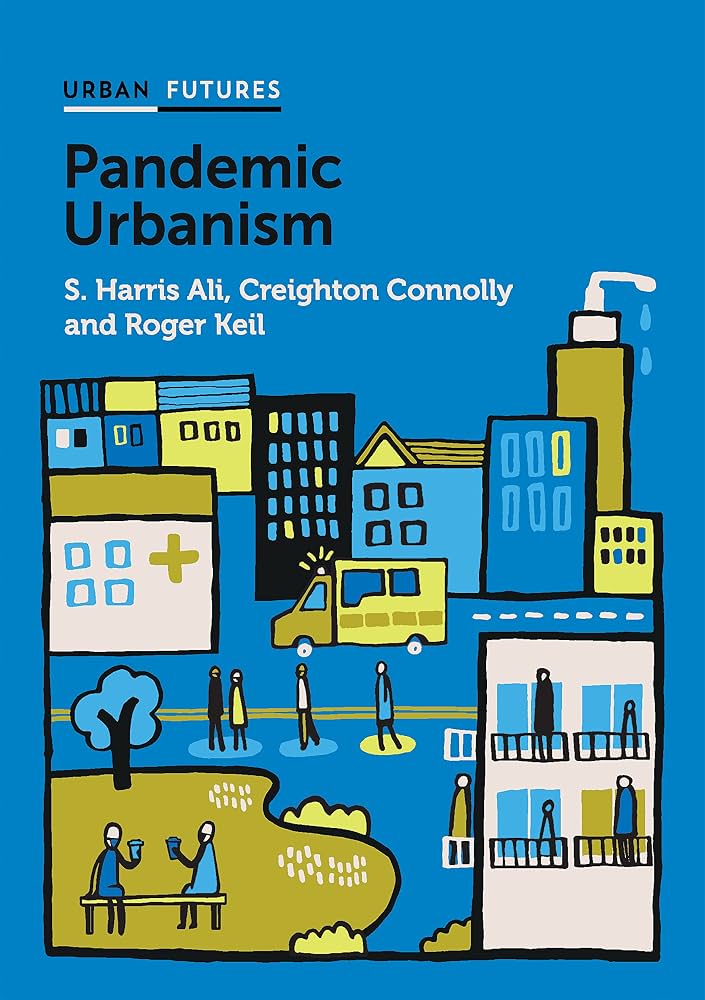
When most of us think about keeping people healthy, we usually picture doctors, hospitals, or taking vitamins. But after reading John Green’s “Everything is Tuberculosis” and listening to the 99% Invisible episode “U Is for Urbanism”, my perspective on public health changed. I realized that the way we design our cities, buildings, and neighborhoods has just as much to do with our well-being as medicine does. Health isn’t just something that happens inside a hospital, it depends on the spaces we live in every day.
In “Everything Is Tuberculosis”, John Green breaks down how TB isn’t just a biological problem, but a structural one. Tuberculosis thrives in dark, overcrowded, and poorly ventilated environments where poor living conditions make it easy for germs to spread. Green shows that the persistence of TB in certain parts of the world is connected to poverty and systemic failure. Reading this made me see that getting sick is rarely just an unlucky turn of events. Often it’s the result of living spaces that society has ignored or designed poorly, leaving others not as careful exposed to preventable harm.
On the other hand, “99% Invisible’s “U is for Urbanism” looks at how smart design can actually bring people together and keep them safe. The episode explores how Jane Jacob’s urban design theories directly inspired the set of Sesame Street. Jacobs argued that healthy neighborhoods need things like short blocks, mixed-use buildings, and “eyes on the street.” This means active sidewalk life where neighbors naturally look out for each other. A well designed city creates a sense of community, safety, and shared belonging.
I started noticing this dynamic in my own life when I took a walk around Carrollton. In certain areas, there’s no sidewalks, long winding roads, and no spaces for community. There seems to be no one for miles and it feels isolated all around you. However, when I visited the square downtown, there were many sidewalks, outdoor seating, and park benches. You could feel a whole different sense of atmosphere when walking around. People were walking, talking, and interacting with each other. Seeing the contrast between countryside and small cities made me understand Jacob’s ideas in real time.
When I compare these two texts, I realize that our physical environment can either break us down or lift us up. Dark, neglected spaces allow diseases like tuberculosis to spread while thoughtful, community-focused neighborhoods foster safety and human connections. In the future, I won’t just see a neighborhood and houses as just buildings anymore, I see them as intentional choices. Whether we build affordable housing or plan out neighborhood sidewalks, the ways we build our areas reflect on our relationships with those around us.


Leave a Reply