

“Nuna, look! A butterfly.”
“It’s so small, how’d you see that?”
“Nuna, look! The vines are climbing the building!”
“That’s neat.”
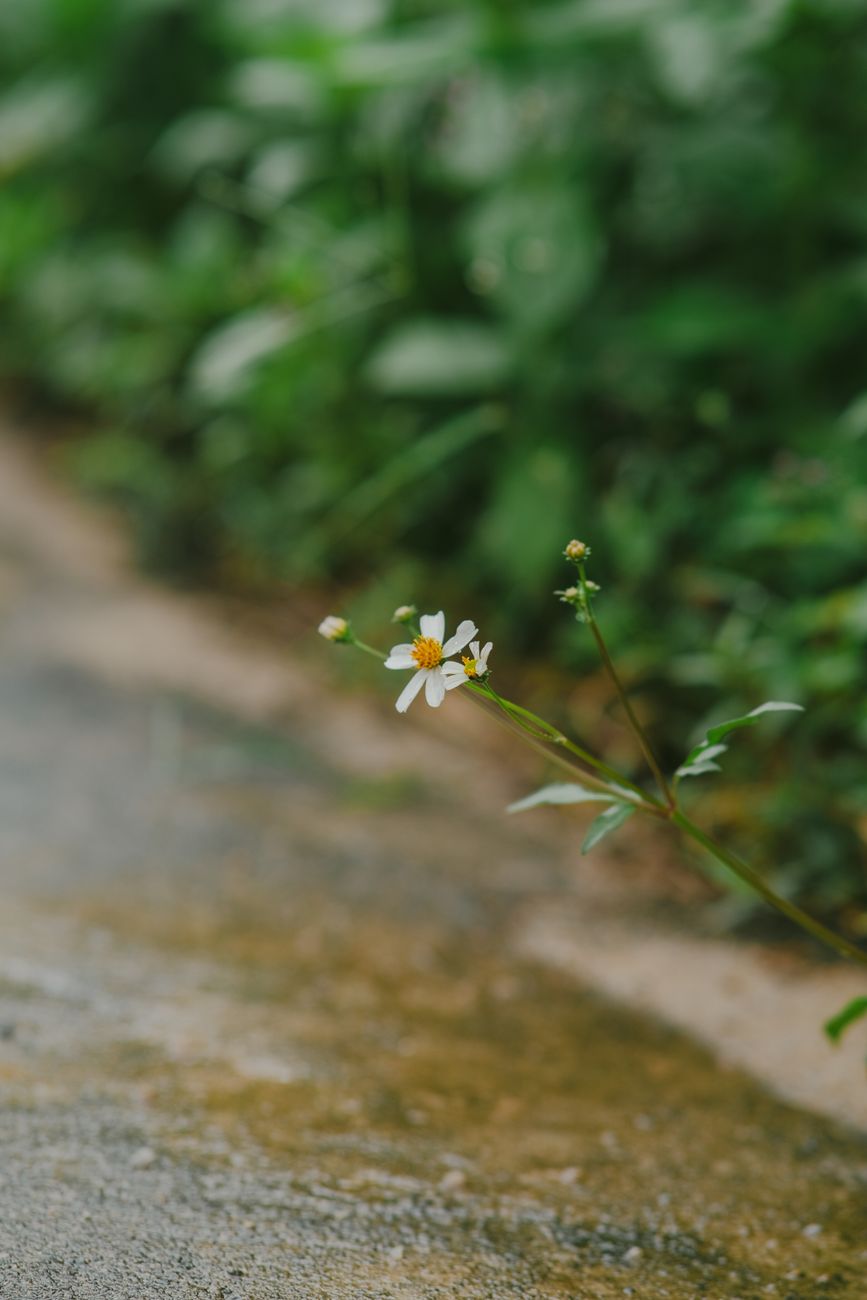
“Nuna, look! The flower’s growing out of the concrete”
“Where? Oh! I see it.”
“Nuna, look! The sidewalk is slanted.”
“Huh? I didn’t notice that.”
“Nuna, look! That cloud’s shaped like poop!”
My eight year old little brother is an expert commentator. Observing and commenting on everything. When I do pay attention to what he’s pointing out, I realize he sees things that people don’t normally notice. Kids naturally let their eyes wander and explore every inch of their surroundings, carefree and unconcerned about specific destinations.
The more we learn about the world, the more burdened we are of the slow, dark and imminent future that comes creeping towards us. We are so focused on our lack of time and we prioritize efficiency, keeping up with the fast-paced world, that we forget. We forget to smell the roses.
Buildings today are drastically different from classic architecture. As purpose and productivity in designing was prioritized over traditions and details, buildings took on completely new forms. Today’s architecture is mostly characterized by very simplistic modern styles with clean, horizontal lines, composed of engineered materials such as steel and concrete. Classic architecture emphasizes cultural/. traditions, and intricate details reinforced by columns, domes and has strict symmetrical balance, built with natural enduring materials such as stone, marble and clay.
Older traditional buildings such as cathedrals and gothic styled architecture are especially breathtaking. Just like my brother who seems to be taking in everything in his environment when we are out, that’s how I feel when stepping into an enormous cathedral. Even before entering the details on the outside with large intricate pillars is a stark contrast from the sleek skyscrapers around it. If you’ve never been in one I can explain what it’s like. Upon entering, your eyes will tend to jump around, hungry to take in everything from the intricacy of the designs in the windows, to the carvings in the wall and paintings on the ceiling. You’ll start noticing unique designs and also patterns. You might feel small in the ginormous space but more so in awe, rather than belittlement. It allows you to notice things, to slow down and, basically, smell the roses.
In Wanderlust Rebecca Solnit emphasizes on this idea of the importance of slowing down, centralizing her argument around the art and experience of walking to convey the idea that the modern design of space prioritizes productivity over quality of people asserting that these technologies, “suggests that what cannot be quantified cannot be valued—that that vast array of pleasures which fall into the category of doing nothing in particular, of woolgathering, cloudgazing, wandering, window-shopping, are nothing but voids to be filled by something more definite, more productive, or faster paced.” The items that she lists, like cloud gazing and wandering, is not only mindlessly zoning out, but entirely the opposite. Normally, as spaces such as subways, roads, cross walks, hospitals etc. rush us to move quickly with purpose, we don’t care for the actual environment around us, more focused on our destination; but, wandering opens up an entire new world.
That was one of our assignments for AP Language class. To literally slow down and look closely at one of the busiest places in Carrollton: Adamson Square. Our class was assigned to notice and jot down the purposes of some spaces, something interesting or how the environment affected the atmosphere. With about 2 hours of time to look at space and visit stores around downtown, we found niche cafes we never even noticed before or things about the Square that we never realized.
So, the next time you’re walking to a place or happen to be outside around and about, be like my brother. Slow down just for a second to appreciate and notice the place you call your home. Look at the clouds, go touch some grass, and smell the flowers.


Leave a Reply