
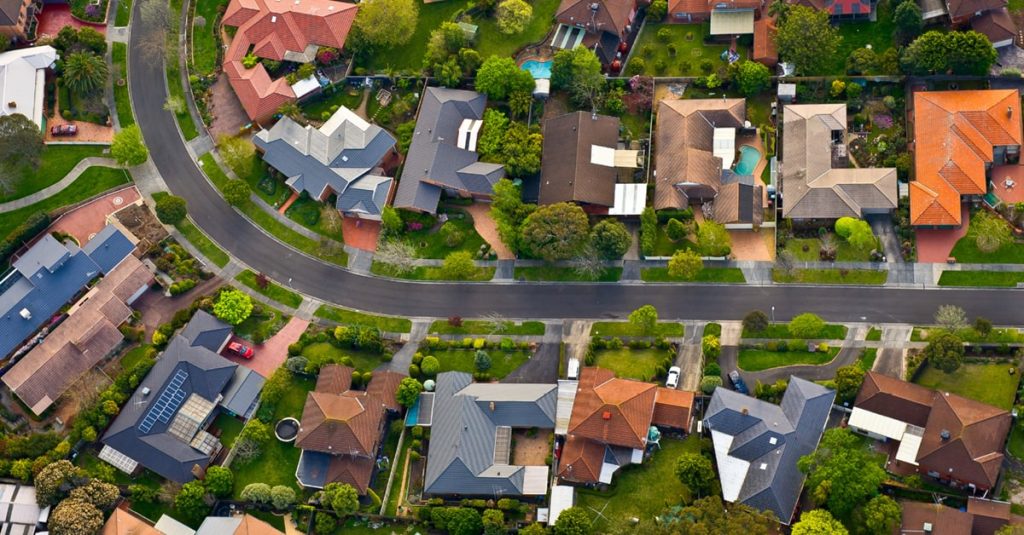
I live in a neighborhood.
We say hi in passing on walks, grumble about the HOA, and post missing pets on a neighborhood Facebook group. We trick-or-treat, go to garage sales, and dogsit when neighbors are out of town.
Yes, I live in a neighborhood, but neighborhoods are a lot different than they used to be.
My grandparents lived in a neighborhood, in the house where my mom grew up.
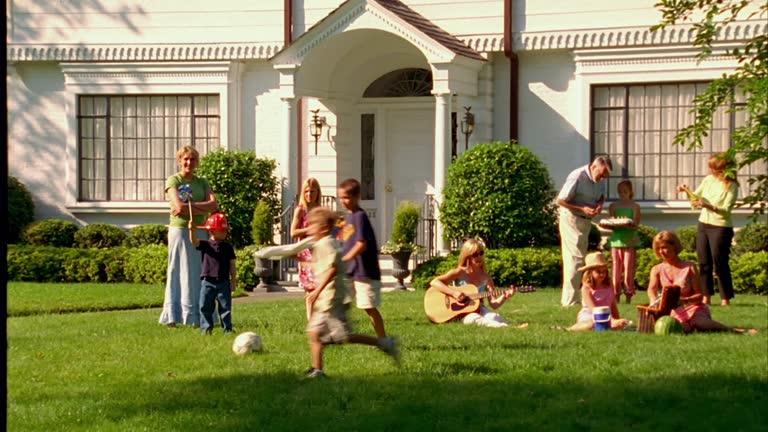
It would be a beautiful crystal day outside, cotton-candy clouds drifting in the gentle breeze. Kids from all houses would run out to the front yard, eager to soak up the sun. Small children would fly kites and draw with chalk. Older kids of the neighborhood would take up a baseball or soccer game in the road or front yard. Parents would sit and socialize on the front porch, calling out to neighbors passing their house and inviting them to sit and chat.
This home was older, when houses weren’t built with garages. In the past, garages were independent structures that sat in the middle of your backyard. Henry Grabar, author of Paved Paradise, mentions how this awkward placement and ugly structure made the backyard “a utilitarian space where trash was burned, clothes were washed and hung up to dry, and unneeded household items were left to rust.”(Grabar, 236-237). This junkyard that the garage created made the front yard the ideal place to spend time outside.
However, time passed and cars became increasingly popular. No longer could neighboring kids play baseball games on the streets; parents worried about their children getting hit by cars flying by. This didn’t just affect kids. Cars made people anxious to get to their destinations, this new sense of business leaving no time to waste the day away on the front porch: they had places to be.
Besides, who would want to sit on the front porch anymore? As the street became more filled with cars than people, we became less interested in spending our time in the front, watching these vehicles in passing. Front yard living faded away, and slowly but surely, the backyard started to look more and more desirable.
This coincided with Frank Lloyd Wright’s introduction of the connected garage(Grabar, 238). It seemed to be what everyone wanted at the time: convenience. It also cleared up the backyard, no longer housing a whole separate building. But in the front yard, where a large patch of grass and small footpath used to lay, a sea of concrete was washed over it to create a driveway.
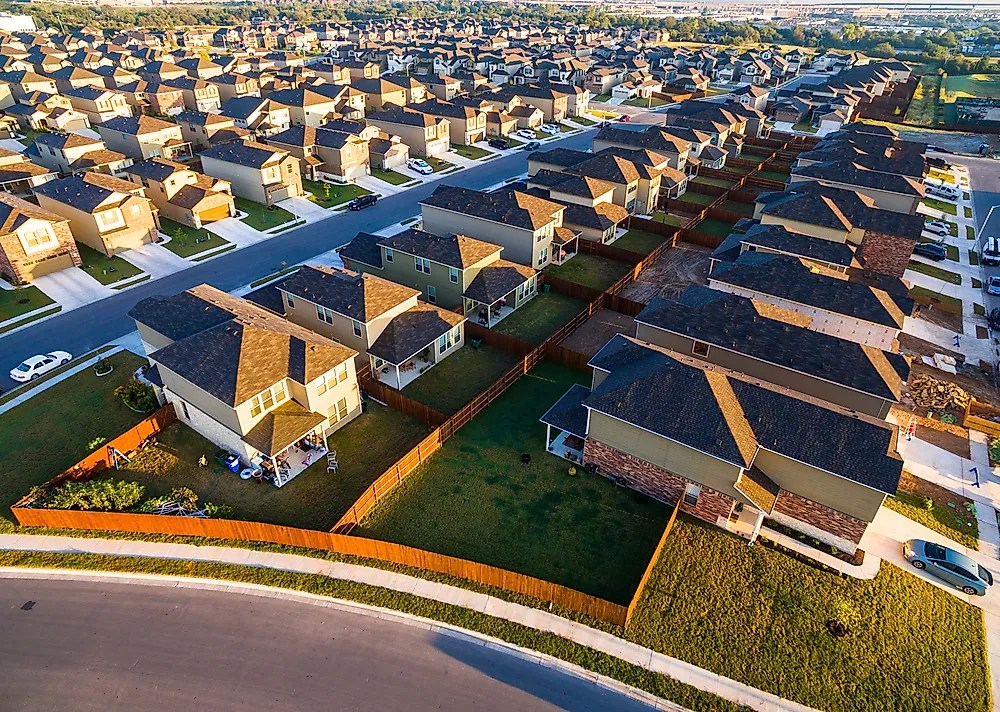
Almost all new houses were being built with a connected garage to the side, and people were excited to start taking advantage of their newly cleared backyard. There was a feeling of being connected to nature in the back, with no driveway, road, or cars. It was more calm in the backyard, and families all over enjoyed the new feeling of having their own private little outdoor bubble, fenced off from the rest of the world.
And that’s just the problem. We’re fenced off from the rest of the world. When people are in their backyard, their neighbors don’t know.
Or maybe they do. Maybe they see them from a distance, think about going over to say hi, but hesitate: I shouldn’t, I’d be invading their privacy.
Kids today play in the backyard, unknown that just 2 doors down, there are kids their age they could’ve been playing with. People may only know a handful of their neighbors because they’ve never even seen the rest of their neighbors, locked in their houses or backyards.
I’ve lived in my neighborhood for 5 years now. While we have many neighbors we know, most I’ve met in a front yard. Never a back yard. When I see our neighbors, it’s usually when I’m walking around the neighborhood loop. Some are walking as well, others are doing yard work or walking to their mailbox. Still, it’s something. We’re more connected in the front yard.
All this to say, I do prefer spending time in my backyard; I’m currently writing in my backyard. However, I do believe we are at a time where communities can often feel isolated and people increasingly don’t know their neighbors. Roman Mars, host of 99% Invisible, believes that a neighborhood is “the systematic dance of neighbors, shopkeepers, kids, workers, and strangers moving through shared space, recognizing familiar faces, having spontaneous conversations, and watching out for one another.” He believes that a neighborhood is a harmonious place, and while this definition doesn’t imply to switch back to the front yard, it does mean that we have to work together and make an effort to get to know the people around us as we live in a backyard society.
We seem to be busier than ever with each passing year. Convenience. Comfort. Privacy. That’s what we’ve been trained to want. We have changed the times and the times have changed us. Things will keep changing. We fly through life, forgetting to slow down and remember what it’s all about: life.
Change is constant, and something we can’t control. Living in a neighborhood does look different than it used to, but that doesn’t mean it has to be worse. Even small acts towards knowing your neighbors can go a long way in our separated society, bringing us one step closer to having a connected neighborhood.


Leave a Reply