
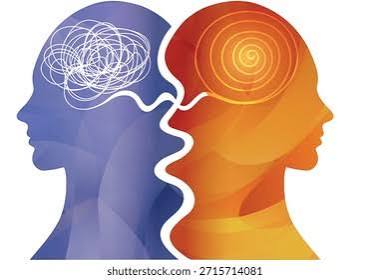
From the beginning of human existence, the environment has shaped our very way of life. From what we could see, the sounds we could hear, and the creatures around us, we have formed life around these things, and for us, they all carry great importance. Think back to when you were young; those memories, the very way you remember them, all come from the sense of place you associate them with. The smell of a mother’s cooking, the chirp of birds on a porch, the sound of laughter, and the sight of a sunset all carry value and directly contribute to how you feel about a place. Why is that? How could something so small hold so much space in your mind for years and years? This is because “place” is more than just space; it shapes emotion, memory, and connection.
Some spaces are curated to make people feel comfortable and welcome. These spaces might have moody lighting, art, slow music, and candles. All of these things serve a purpose; they send signals to your nervous system telling it to slow down and relax, so your mind begins to associate the space with a feeling of comfort. Human connection in these spaces can also shape that feeling. The places you can go and hang out with friends, have a good conversation, or even enjoy a stranger’s silent company all contribute to how you feel about a place and the memories you have of it. In my interview with Dr. Mount, a counselor here at CHS, this idea is clear: he has made a comfortable environment where students can go when they need to talk. He has posters, figurines, and music, all of his personal taste, that act as a way to humanize himself and allow students to ask questions in order to break the ice. All of these things were made and chosen for this space. The strictly curated environment serves a purpose, but what about the spaces man cannot make?
Natural environments, like the oceans, mountains, and forests, all carry emotion and send a message innately; with no effort or planning they are able to do the job of man-made environments with ease. You’ll often hear people say that activities like hiking, done out in nature, are ways for a person to “clear their head” or “be alone and think”; this is because our brains are hard-wired to thrive outdoors, as humankind did so many years ago. This is known as biophilia or “our innate, evolutionary bond with the natural world”. This hypothesis is why we feel calmer by the ocean, restored in the forest, and inspired under the stars. Many urban environments are aware of this innate connection and attempt to incorporate it into modern-day designs such as green belts, vertical forests, and urban farming. However, in the chaos and stimulation of city life, the calm of nature is often lost for good.
In these urban hubs, it’s easy for your brain’s sensory and cognitive processing limits to be overwhelmed. It is when we feel this way in a space that we begin to categorize it as negative; now, almost without even thinking, we are instantly overstimulated by these spaces and begin to avoid them. Things like visual noise such as flashy signs and large crowds, auditory pollution like sirens and construction, or olfactory stress like exhaust fumes and garbage all contribute to the stress one might feel in urban areas. While walking in Adamson Square, I felt the effects of urbanisation firsthand. Oftentimes, the square is overrun with people, cars, and events, each one playing a vital role in the booming business of the city; however, for the average person, it can be a very overwhelming experience. In designing the square, this was thought about and contributed to the additions of greenery and “hideouts” in the square. These are quiet places like the bookstore or gallery where a person can walk in and immediately feel the relief of peace curated in these environments. However, the square itself stands to prove that despite attempts, urban life knows no calm.
All in all, space contributes greatly to our emotions and our perception of a given area. As these calm areas of earth become rarer and rarer, I encourage you to enjoy them while you can. Go for a walk, watch the sunrise, and soak up the sun. Urbanization only grows by the day as more of those calm areas are stripped away and made into more stores and restaurants than one could ever need. Space is and should be so much more than a money-making scheme or capitalist agenda; it should be fellowship and laughter, vibrancy and character, and most importantly, it should be valued.


Leave a Reply